Glow Up from Within: Why Your Skin Cares What You Eat
Ever wonder why some people have that lit-from-within glow, even on zero sleep? I used to think skincare was all about serums and fancy creams—until I realized the real magic starts in the kitchen. Turns out, what you eat doesn’t just fuel your body; it rebuilds your skin. After weeks of tweaking my meals, I saw changes no moisturizer could deliver. This isn’t about quick fixes or miracle cures—it’s science-backed, simple, and totally doable. The truth is, your skin reflects your internal health more than any topical product ever could. When you nourish your body with the right foods, you’re not just feeding cells—you’re sending signals of repair, balance, and resilience.
The Skin-Gut Connection: What’s Really Behind Your Glow
Modern science has uncovered a powerful link between your digestive system and the health of your skin—what researchers now call the “gut-skin axis.” This biological relationship shows that the state of your gut microbiome, the community of trillions of beneficial bacteria living in your intestines, directly influences inflammation levels, immune response, and even your skin’s appearance. When your gut is balanced, it helps regulate how your body responds to stress, allergens, and environmental damage. But when that balance is disrupted—often due to poor diet, antibiotics, or chronic stress—it can lead to systemic inflammation, which frequently shows up on the skin as acne, rosacea, eczema, or persistent dullness.
Think of your gut as a filter. When it’s functioning well, it keeps harmful substances from entering your bloodstream while allowing essential nutrients to pass through. But when the gut lining becomes compromised—a condition sometimes referred to as “leaky gut”—undigested food particles and toxins can seep into the bloodstream, triggering an immune response. This internal alarm system increases inflammation throughout the body, and your skin, being the largest organ, often bears the brunt. Breakouts after stressful periods or dietary indulgences aren’t coincidences; they’re signs that your internal environment is out of sync.
The concept of “inside-out” skincare shifts the focus from surface-level treatments to foundational health. While cleansers and moisturizers play a role in protecting the skin barrier, they can’t address the root causes of many common skin concerns. True radiance comes from supporting your body’s natural processes—detoxification, cell turnover, and collagen production—through nutrition. This approach isn’t about drastic changes or expensive supplements; it’s about making consistent, informed choices that support long-term skin vitality. By prioritizing gut health through fiber-rich foods, fermented options like yogurt or sauerkraut, and minimizing inflammatory triggers, you create the internal conditions for clear, calm, and glowing skin.
Common Diet Traps That Wreck Your Skin (And You Don’t Even Know It)
Many women in their 30s to 50s notice changes in their skin and immediately reach for new creams or treatments, unaware that their daily meals might be working against them. Certain foods, especially those common in modern diets, can quietly fuel inflammation and disrupt hormonal balance—two major contributors to poor skin health. Sugar, in particular, is one of the most damaging culprits. When you consume high amounts of refined sugar, your blood glucose spikes, prompting a surge in insulin. This hormonal shift can increase oil production in the sebaceous glands and accelerate the process of glycation, where sugar molecules attach to collagen and elastin, making them stiff and fragile. The result? Premature wrinkles, sagging, and a lackluster complexion.
Processed carbohydrates—like white bread, pastries, and many breakfast cereals—act similarly in the body. Despite their innocent appearance, they break down quickly into glucose, triggering the same inflammatory and hormonal responses as sugar. Many women report breakouts or increased puffiness after eating large portions of pasta or pizza, not realizing these are direct reactions to the meal’s glycemic load. Even seemingly healthy options like flavored yogurts or granola bars can be loaded with hidden sugars that sabotage skin health over time.
Dairy is another frequent but often overlooked trigger. While not everyone is sensitive, some individuals experience increased acne or facial redness after consuming milk, cheese, or whey-based products. This may be due to the natural growth hormones in dairy, which can mimic androgens and stimulate oil glands. Additionally, lactose intolerance or mild dairy sensitivities can cause low-grade gut inflammation, which, as previously discussed, often manifests on the skin. The key isn’t to eliminate these foods entirely unless medically necessary, but to become aware of how your body responds. Keeping a simple food-and-skin journal for a few weeks can reveal patterns you never noticed before—like clearer skin on days when you skipped the afternoon cookie or drank more water.
The Skin Superfoods: What to Eat for a Clear, Radiant Complexion
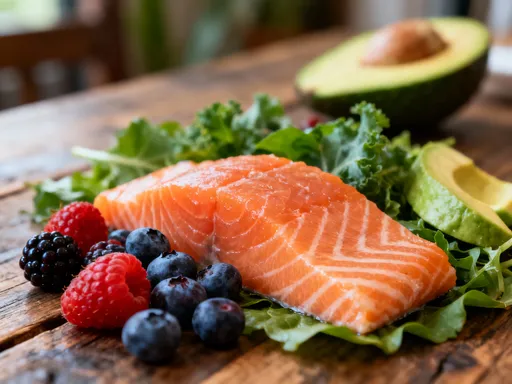
If certain foods can harm your skin, others can actively heal and protect it. These nutrient-dense powerhouses, often called “skin superfoods,” provide the building blocks your body needs to maintain a strong barrier, reduce inflammation, and support cellular renewal. One of the most important groups is omega-3 fatty acids, found abundantly in fatty fish like salmon, mackerel, and sardines, as well as plant sources like chia seeds, flaxseeds, and walnuts. Omega-3s are essential fats that the body cannot produce on its own, meaning they must come from the diet. They play a crucial role in maintaining the integrity of cell membranes, which helps skin retain moisture and stay plump and resilient.
Antioxidants are another cornerstone of skin-supportive nutrition. These compounds neutralize free radicals—unstable molecules generated by UV exposure, pollution, and even normal metabolism—that damage skin cells and accelerate aging. Berries, especially blueberries and raspberries, are rich in anthocyanins, a type of antioxidant that gives them their deep color and helps protect against oxidative stress. Dark leafy greens like spinach, kale, and Swiss chard provide vitamins A, C, and K, along with folate and iron, all of which contribute to healthy cell turnover and reduced inflammation. Vitamin C, in particular, is essential for collagen synthesis, the protein responsible for skin’s firmness and elasticity.
Vitamin E, found in almonds, sunflower seeds, avocados, and olive oil, works synergistically with vitamin C to protect skin from environmental damage. It’s a fat-soluble antioxidant that helps stabilize cell membranes and supports healing. Including a source of healthy fat with every meal not only aids in the absorption of fat-soluble vitamins (A, D, E, and K) but also helps regulate blood sugar and keeps you feeling full longer. You don’t need to overhaul your diet to benefit from these foods. Start small: add a handful of spinach to your morning smoothie, sprinkle chia seeds on yogurt, or swap afternoon chips for a few slices of avocado on whole-grain toast. Over time, these small additions become habits that visibly transform your skin from the inside out.
Hydration Myth-Busting: It’s Not Just About Drinking Water
Most people believe that drinking eight glasses of water a day is the golden rule for glowing skin—and while staying hydrated is undeniably important, it’s only part of the story. Water alone cannot guarantee plump, dewy skin if your body isn’t equipped to retain and utilize that moisture effectively. True hydration involves a balance of fluids, electrolytes, and nutrients that support your skin’s natural water-holding capacity. Hyaluronic acid, a substance naturally produced by the body, can hold up to 1,000 times its weight in water, keeping skin supple and smooth. But its production declines with age and can be impaired by poor nutrition and dehydration.
Electrolytes—minerals like sodium, potassium, magnesium, and calcium—are essential for maintaining fluid balance between cells. When electrolyte levels are low, often due to excessive caffeine, intense sweating, or low intake of mineral-rich foods, the body struggles to keep water where it’s needed most. This can result in dry, tight skin even if you’re drinking plenty of water. Including electrolyte-rich foods like bananas, coconut water, leafy greens, and nuts can help maintain this delicate balance. Additionally, certain foods naturally contain high levels of water and co-nutrients that enhance hydration. Cucumber, for example, is over 95% water and contains silica, a compound that supports skin elasticity. Celery, watermelon, oranges, and strawberries are other excellent choices that deliver hydration along with vitamins and antioxidants.
A balanced hydration strategy combines both fluid intake and water-rich foods. Start your day with a glass of water with lemon to kickstart digestion and add a pinch of high-quality salt to your meals to support electrolyte balance. Instead of reaching for sugary sports drinks, opt for herbal teas, infused water, or homemade broths. These options provide hydration without the added sugars or artificial ingredients that can harm skin. Remember, your skin cells are constantly renewing, and they need consistent moisture to function properly. By diversifying your hydration sources, you give your skin the tools it needs to stay resilient, especially during seasonal changes or periods of stress.
Meal Timing & Skin Rhythms: Does When You Eat Matter?
Emerging research in chrononutrition—the study of how timing affects nutrient metabolism—suggests that when you eat may be just as important as what you eat. Your body operates on a circadian rhythm, a 24-hour internal clock that regulates everything from hormone release to cell repair. Skin cells, in particular, follow a daily cycle: they focus on protection during the day and repair at night. Disrupting this rhythm through irregular eating patterns—like skipping breakfast or eating late at night—can impair these natural processes and lead to visible consequences.
For instance, going long hours without food can cause blood sugar to drop, triggering cortisol release, a stress hormone that increases inflammation and can worsen conditions like acne or rosacea. On the other hand, eating large meals late in the evening forces your digestive system to work when it should be winding down. This can interfere with sleep quality, which is critical for skin regeneration. During deep sleep, your body produces growth hormone, which stimulates collagen production and repairs daily damage from UV exposure and pollution. If you’re eating a heavy meal right before bed, your body may prioritize digestion over repair, robbing your skin of its nightly renewal window.
A more supportive approach is to align your eating window with your natural energy cycles. Aim to break your fast within 1–2 hours of waking, starting with a balanced meal that includes protein, healthy fats, and fiber to stabilize blood sugar. This helps prevent mid-morning cravings and energy crashes. Try to finish your last meal at least 2–3 hours before bedtime, allowing digestion to complete before sleep. If you need a small snack, choose something light and easy to digest, like a piece of fruit with a few almonds. While strict fasting regimens aren’t necessary or suitable for everyone, adopting a consistent eating schedule can help regulate metabolism, reduce inflammation, and support your skin’s natural rhythms.
Quick Wins: Easy Swaps That Show Results in Days
You don’t need to follow a complicated diet or spend hours in the kitchen to see improvements in your skin. Some of the most effective changes are simple, practical swaps that fit easily into a busy lifestyle. One of the fastest ways to reduce inflammation is to replace sugary beverages like soda, sweetened tea, or flavored lattes with herbal teas, sparkling water with lemon, or plain water infused with cucumber and mint. These alternatives hydrate without spiking insulin or feeding harmful gut bacteria. Within just a few days, many women notice less facial puffiness and a calmer complexion.
Another powerful habit is adding a tablespoon of ground chia seeds or flaxseeds to your breakfast. These tiny seeds are rich in omega-3s and fiber, supporting both gut health and skin hydration. Sprinkle them on oatmeal, mix into yogurt, or blend into a smoothie. Similarly, choosing whole grains over refined ones—like brown rice instead of white, or whole-wheat bread instead of white—helps stabilize blood sugar and reduces the risk of breakouts. These grains also contain B vitamins, which support energy metabolism and skin cell renewal.
Snacking smarter makes a difference too. Instead of reaching for processed crackers or cookies, keep a jar of mixed nuts and dried fruit on hand. Almonds, in particular, are high in vitamin E and healthy fats, offering both taste and skin benefits. These small changes don’t require perfection—consistency matters more. Most women begin to see subtle improvements in skin texture and clarity within 3–5 days, with reduced redness and fewer breakouts emerging within a week. The goal isn’t to follow a rigid plan but to build a foundation of nourishing habits that support lifelong skin health.
Beyond the Plate: Pairing Nutrition with Lifestyle for Maximum Impact
Nutrition is the cornerstone of healthy skin, but it doesn’t work in isolation. Sleep, stress management, and a gentle skincare routine all amplify the benefits of a skin-supportive diet. Chronic stress elevates cortisol, which increases oil production and slows healing, making skin more prone to breakouts and sensitivity. Incorporating simple stress-reducing practices—like deep breathing, walking in nature, or journaling—can have a noticeable effect on your complexion. Even 10 minutes of quiet reflection each day can help reset your nervous system and lower inflammation.
Sleep is equally vital. During rest, your skin increases blood flow and repairs damage from the day. Poor sleep not only leads to dark circles and puffiness but also impairs the skin barrier, making it more vulnerable to irritation. Aim for 7–8 hours of quality sleep each night, and support it with a calming evening routine—dimming lights, avoiding screens, and sipping a cup of chamomile tea. When it comes to skincare, less is often more. Over-cleansing or using harsh products can strip the skin’s natural oils, leading to dryness and irritation. A gentle cleanser, a hydrating serum, and a simple moisturizer are often enough, especially when your diet is already supporting your skin from within.
It’s also important to avoid extreme approaches like juice cleanses or highly restrictive diets, which may promise fast results but often backfire. Depriving your body of essential nutrients can lead to fatigue, hormonal imbalances, and even hair loss—all of which affect your appearance. True skin health is not about deprivation but about nourishment. It’s about choosing foods and habits that make you feel strong, energized, and confident. When you treat your body with care, your skin reflects that respect.
Your Skin’s Best Friend Is You
At the end of the day, no cream, supplement, or trend can replace the power of daily, intentional choices. True radiance isn’t something you buy—it’s something you build, one meal, one night of sleep, one moment of self-care at a time. Your skin is constantly listening to the messages you send it through food, rest, and emotion. When you choose whole, nutrient-rich foods, you’re telling your body it’s worthy of repair and renewal. When you prioritize rest and calm, you’re giving your cells the space they need to heal.
This journey isn’t about achieving perfection or chasing an unrealistic ideal. It’s about cultivating a relationship with yourself—one based on kindness, awareness, and consistency. You don’t need to overhaul your life overnight. Start with one small change: drink an extra glass of water, add a serving of vegetables to dinner, or go to bed 20 minutes earlier. Over time, these choices compound, leading to a glow that isn’t just visible—it’s sustainable.
Remember, you are your skin’s greatest ally. By nourishing your body with purpose and treating yourself with compassion, you create the conditions for lasting beauty. That inner light you’ve always admired in others? It’s not luck. It’s care. And it’s available to you, every single day.