How Hobbies Reshape Your Health: The Science of Staying Strong Through Play
You’ve probably heard that hobbies are fun, but what if they’re also medicine? Turns out, regular engagement in enjoyable activities does more than lift your mood—it actively supports physical health. From reducing inflammation to improving heart function, science shows that playful habits shape our body’s resilience. I tried tracking my own routine, and the changes were real. This is how hobbies quietly become one of the most natural forms of body maintenance we overlook. While many focus on diets, supplements, or rigorous fitness plans, a growing body of research reveals that the simple act of doing something you love can be just as transformative. The human body thrives not only on discipline but also on delight, and hobbies provide a unique blend of both.
The Hidden Cost of a Hobby-Free Life
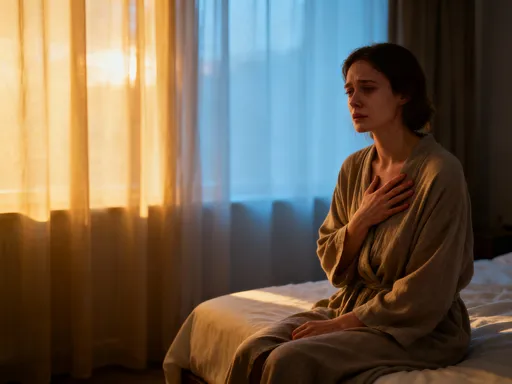
Modern life often leaves little room for unstructured time. Between work responsibilities, household duties, and digital distractions, the idea of setting aside time for personal interests can feel like a luxury few can afford. Yet, the absence of leisure activities carries a measurable physical cost. Chronic stress, a common companion of a schedule packed with obligations and devoid of play, triggers the sustained release of cortisol—the so-called “stress hormone.” Elevated cortisol levels over time are linked to increased blood pressure, weakened immune function, and greater abdominal fat accumulation. Without moments of joy to counterbalance daily demands, the body remains in a state of low-grade alertness, never fully shifting into rest and recovery mode.
This biological imbalance manifests in tangible ways. People who do not engage in regular leisure often report persistent muscle tension, particularly in the neck, shoulders, and back. This is not merely psychological—it reflects the body’s physical response to prolonged mental strain. Additionally, studies have shown that individuals with limited recreational activity are more susceptible to frequent colds and infections, suggesting a compromised immune system. The lack of joyful engagement doesn’t just dull the spirit; it weakens the body’s defenses. When life becomes a cycle of duty without delight, the physical toll accumulates silently, increasing the risk for long-term health issues such as cardiovascular disease and metabolic syndrome.
Consider the case of someone who works long hours, skips breaks, and fills evenings with screen time rather than meaningful activity. Over months or years, this pattern can lead to fatigue, poor sleep quality, and a gradual decline in physical stamina. The absence of hobbies doesn’t just result in boredom—it creates a biological environment where healing, repair, and renewal are hindered. In this context, reintroducing play is not an indulgence; it is a necessary correction to restore balance. The body is designed not only to endure but to thrive, and hobbies serve as one of the most accessible tools to support that natural capacity.
Why Your Body Responds to Joy: The Biology of Play
At the core of hobby-related health benefits lies the body’s biochemical response to pleasure. When a person engages in an activity they enjoy—whether painting, playing an instrument, or walking a dog—the brain releases a cascade of beneficial neurochemicals. Dopamine, often referred to as the “reward molecule,” is released during enjoyable experiences, reinforcing motivation and focus. Endorphins, natural pain relievers produced by the body, are also elevated, contributing to a sense of well-being and even mild euphoria. These substances do more than improve mood—they have direct physiological effects that support long-term health.
One of the most significant impacts of these neurochemical shifts is the reduction of systemic inflammation. Chronic inflammation is now recognized as a key contributor to numerous diseases, including heart disease, arthritis, and certain cancers. Research has demonstrated that individuals who regularly participate in leisure activities exhibit lower levels of inflammatory markers such as C-reactive protein (CRP). This suggests that joy itself may act as a natural anti-inflammatory agent. Furthermore, the calming effect of pleasurable activities helps regulate the autonomic nervous system, leading to lower resting heart rate and improved blood pressure control.
Hormonal balance is another area influenced by hobby engagement. Beyond cortisol reduction, enjoyable activities support the regulation of insulin sensitivity and metabolic function. A study published in the journal Psychosomatic Medicine found that adults who reported higher levels of leisure satisfaction had more stable glucose metabolism, a critical factor in preventing type 2 diabetes. These findings underscore a powerful truth: the body interprets joy as safety, and in that state of safety, healing and maintenance processes operate more efficiently. Therefore, hobbies are not merely distractions from stress—they are active participants in restoring the body’s equilibrium.
Movement-Based Hobbies: Exercise in Disguise
Not all physical activity needs to take place in a gym or follow a strict regimen. Many hobbies naturally incorporate movement, offering a sustainable and enjoyable path to fitness. Gardening, for example, involves squatting, stretching, lifting, and repetitive motions that enhance joint flexibility and build functional strength. A 30-minute session of weeding or planting can burn as many calories as a brisk walk, while also improving hand dexterity and core stability. Unlike structured workouts, which some find tedious or intimidating, gardening provides immediate tangible rewards—blooming flowers, fresh vegetables—making it easier to maintain over time.
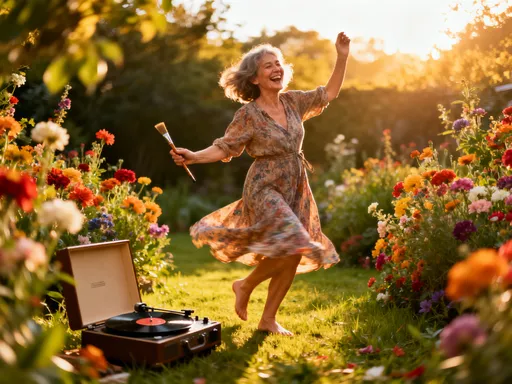
Dancing is another powerful movement-based hobby with extensive health benefits. Whether it’s ballroom, folk, or freestyle at home, dancing combines cardiovascular exercise with coordination, balance, and rhythm. Studies have shown that regular dancing improves heart health, increases lung capacity, and enhances neuromuscular control. Older adults who participate in dance programs often experience better gait stability and reduced risk of falls. Importantly, because dancing is tied to music and emotion, participants are more likely to remain consistent, turning physical activity into a cherished part of their routine rather than a chore.
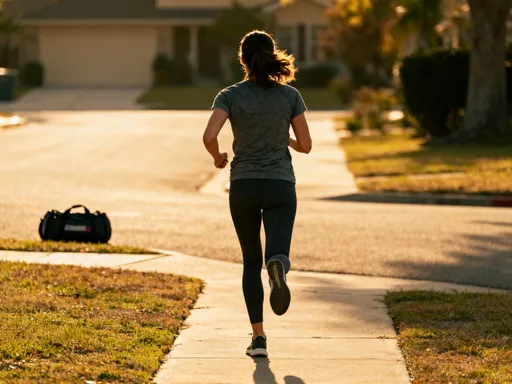
Hiking and nature walks offer similar advantages, blending aerobic exercise with mental restoration. Navigating trails requires varied muscle engagement, strengthens the lower body, and improves endurance. The added benefit of being in natural environments—what researchers call “forest bathing”—has been associated with lower cortisol levels and improved immune function. Unlike treadmill workouts, outdoor hikes stimulate the senses, reduce mental fatigue, and encourage mindfulness. These hobbies succeed where traditional exercise often fails: they are inherently rewarding, making consistency effortless. When movement feels like play, the body reaps the benefits without resistance.
Mind-Body Hobbies: Calming the Nervous System
Not all hobbies involve physical exertion, yet many still deliver profound physical benefits by influencing the nervous system. Activities such as knitting, quilting, woodworking, or playing a musical instrument engage the mind in rhythmic, focused tasks that induce a state of calm alertness. This mental state closely resembles meditation, activating the parasympathetic nervous system—the branch responsible for rest, digestion, and recovery. When this system is engaged, heart rate slows, breathing deepens, and blood pressure stabilizes, creating optimal conditions for cellular repair and immune function.
Repetitive motions, such as the steady click of knitting needles or the consistent strokes of a paintbrush, have a grounding effect on the mind and body. Neuroimaging studies suggest that such activities increase alpha brain wave activity, which is associated with relaxation and reduced anxiety. Over time, regular engagement in these crafts can lead to measurable improvements in sleep quality, digestive health, and even pain tolerance. For individuals dealing with chronic conditions like irritable bowel syndrome or tension headaches, mind-body hobbies can serve as non-pharmacological support tools.
Music, in particular, has a unique ability to synchronize bodily rhythms. Playing an instrument requires coordination between breath, touch, and timing, creating a full-body experience that enhances neural connectivity. Even listening to familiar, soothing music can lower cortisol and improve vascular function. When combined with active participation—such as singing in a choir or learning piano—the benefits multiply. These hobbies do not demand perfection; progress and presence are what matter. By offering a mental refuge from daily pressures, they allow the body to exit survival mode and return to balance.
Social Hobbies and Immune Resilience
Humans are inherently social beings, and hobbies that involve connection amplify health benefits beyond individual practice. Group activities—such as community gardening, recreational sports leagues, craft circles, or cooking classes—foster a sense of belonging and shared purpose. These social interactions trigger the release of oxytocin, sometimes called the “bonding hormone,” which has been shown to reduce stress, enhance trust, and support cardiovascular health. Oxytocin also plays a role in modulating inflammation, suggesting that positive social experiences directly influence physical well-being.
Research from Harvard University and the National Institutes of Health has consistently found that strong social ties are linked to longer life expectancy and lower rates of chronic illness. People who participate in group hobbies tend to have stronger immune responses, recover faster from illness, and report higher energy levels. The combination of emotional support and shared enjoyment creates a protective biological effect. For example, members of community choirs often report not only improved mood but also fewer respiratory infections, likely due to the combined effects of deep breathing, vocal exercise, and social cohesion.
Moreover, social hobbies provide accountability and motivation. Knowing that others expect your presence makes it easier to show up consistently, even on days when energy is low. This regularity reinforces healthy routines, whether it’s weekly dance practice or monthly book club meetings. The structure of group activities also reduces feelings of isolation, which are increasingly recognized as a public health concern. In this way, social hobbies function as both emotional and physiological safeguards, strengthening the body through connection as much as through activity.
Building a Sustainable Hobby Routine: Small Shifts, Big Gains
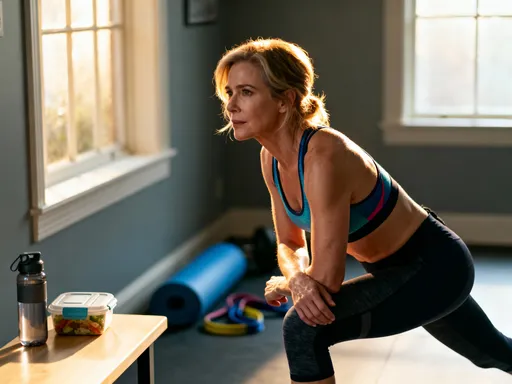
Starting a hobby does not require dramatic life changes or expensive equipment. The key to success lies in consistency and accessibility. Experts recommend beginning with as little as 15 to 20 minutes a day—enough time to engage meaningfully without feeling overwhelmed. Choosing low-barrier activities increases the likelihood of long-term adherence. For instance, coloring books, beginner puzzles, or short nature walks require minimal preparation and can be easily integrated into existing routines. The goal is not mastery but regular engagement, allowing the body to gradually absorb the benefits.
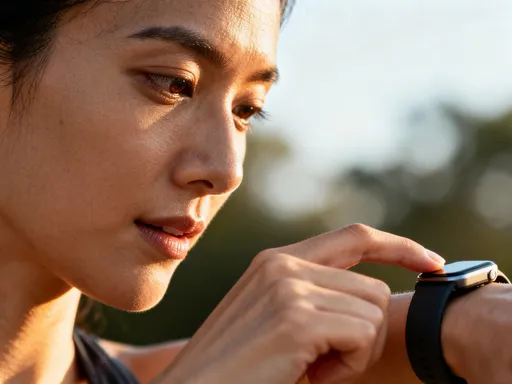
Tracking subtle changes can reinforce motivation. Many people notice improvements in posture, energy levels, or sleep quality within weeks of starting a new hobby. Keeping a simple journal to note these shifts—such as feeling less stiff after gardening or sleeping more soundly after knitting—helps solidify the connection between activity and well-being. Over time, these small gains accumulate into significant health improvements. The most effective hobby routines are not built on intensity but on sustainability, turning enjoyable moments into lifelong habits.
It is also important to remain flexible and kind to oneself. There will be days when motivation wanes or time feels scarce. Rather than viewing these lapses as failures, they should be seen as natural fluctuations. The intention to return to the activity is what matters most. By framing hobbies as essential self-care rather than optional extras, individuals are more likely to prioritize them. Over time, these moments of play become anchors in daily life, providing stability, joy, and physical renewal.
Beyond Stress Relief: Hobbies as Preventive Healthcare
While stress reduction is a well-known benefit of hobbies, their role extends far beyond temporary relief. Consistent engagement in enjoyable activities is increasingly recognized as a form of preventive healthcare. Longitudinal studies have found that adults who maintain hobbies are less likely to develop hypertension, type 2 diabetes, and certain forms of dementia. The mechanisms are multifaceted: reduced inflammation, improved metabolic regulation, enhanced cognitive reserve, and stronger cardiovascular function all contribute to this protective effect.
Unlike many medical interventions, hobbies are low-cost, side-effect-free, and universally accessible. They do not require prescriptions or appointments. Instead, they rely on personal interest and curiosity—resources everyone possesses. Public health experts are beginning to advocate for the integration of leisure into wellness programs, recognizing that health is not just the absence of disease but the presence of vitality. When people are encouraged to invest in activities they love, they are more likely to adopt other healthy behaviors, such as better nutrition and regular medical check-ups.
There is also a cultural dimension to this shift. In many societies, busyness is worn as a badge of honor, while rest and play are undervalued. Challenging this mindset is essential. Leisure should not be seen as laziness or unproductivity; it is a vital component of a healthy life. Just as we teach children the importance of play, adults must reclaim it as a non-negotiable part of self-care. The science is clear: hobbies are not distractions from a healthy life—they are foundational to it.
Hobbies are far more than pastimes—they’re powerful, accessible tools for sustaining physical health. When we make space for play, we’re not just enjoying life more; we’re fine-tuning our biology for resilience. The simplest way to care for your body might not be another supplement or strict diet, but rediscovering what you love to do. Let joy be part of your health plan.