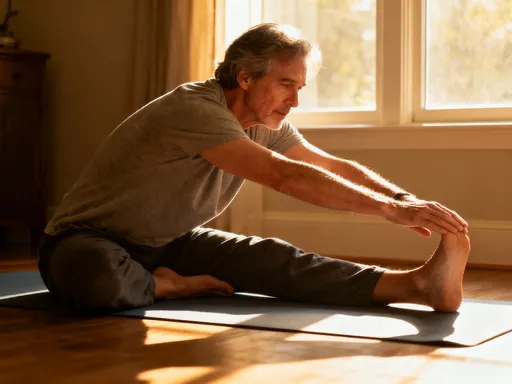
How I Fixed My Daily Aches—Simple Moves That Actually Work
Ever felt stiff after sitting all day or winced getting out of bed? I’ve been there—back pain, tight shoulders, constant discomfort. But after months of trial and error, I found small, science-backed moves that changed everything. This isn’t a miracle fix, just real, doable body maintenance that fits into daily life. No gym required, no wild claims—just practical training that helps your body recover and stay strong. These simple habits didn’t transform me overnight, but they restored a sense of ease I hadn’t realized I’d lost. Movement is not just for athletes or the young; it’s a lifelong necessity, especially when daily life demands long hours at a desk, in front of screens, or managing household routines. The good news? Relief is possible, and it starts with awareness and consistency.
The Hidden Cost of Sitting Too Long
Modern life is built around sitting. From morning commutes to desk jobs, from evening TV binges to scrolling through phones in bed, the average adult spends more than eight hours a day seated. For many women between 30 and 55, this number may be even higher—balancing work, children, and household tasks often means long stretches of inactivity punctuated by brief bursts of physical effort. The human body, however, was not designed for prolonged stillness. When muscles remain inactive for extended periods, they begin to weaken, particularly those in the core, glutes, and postural support system. At the same time, joints such as the hips, spine, and neck endure unnatural pressure due to poor alignment and sustained postures.
This daily pattern leads to what many dismiss as “normal aging” — morning stiffness, lower back tightness, shoulder tension, and difficulty bending down to tie shoes or lift groceries. But these are not inevitable signs of getting older. They are early warnings of muscular imbalance and joint stress. The spine, for example, relies on dynamic support from surrounding muscles to maintain its natural curves. Without regular movement, the deep stabilizing muscles of the back and abdomen become dormant, forcing other muscles to compensate. Over time, this compensation leads to overuse, fatigue, and pain. The hips, too, suffer from limited motion, especially when sitting with knees bent for hours. This shortens the hip flexors and weakens the glutes, creating a chain reaction that affects posture, gait, and even balance.
Imagine driving a car with misaligned wheels and never getting an oil change—eventually, parts wear out unevenly and fail. The body works the same way. Daily micro-stresses from sitting accumulate silently until discomfort becomes impossible to ignore. Recognizing that these aches are not normal but are signals of underuse is the first step toward meaningful change. The body thrives on movement, not perfection. Even small shifts in daily habits can interrupt this cycle of stiffness and restore mobility.
Why Recovery Isn’t Just for Athletes
Recovery is often associated with elite sports—professional runners icing their knees, gymnasts stretching for hours, or weightlifters using foam rollers between sets. But recovery is not reserved for those who push their bodies to extremes. In fact, for the average person, recovery may be even more essential. While athletes train intensely and recover intentionally, most adults face chronic low-level strain without any structured care. Their bodies endure repetitive stress from poor posture, emotional tension, and sedentary habits, yet receive no dedicated time for repair.
Think of the body like a household appliance—a washing machine, for instance. If you use it daily but never clean the filter or check the hoses, performance declines over time. Small issues go unnoticed until something breaks. The same applies to the musculoskeletal system. Daily activities, especially those involving sitting, lifting, or bending, cause micro-damage to tissues. Under normal conditions, the body repairs this damage during rest and movement. But when movement is limited and stress is constant, the repair process lags behind, leading to stiffness, inflammation, and dysfunction.
This is where proactive maintenance comes in. Rather than waiting for pain to escalate into injury, regular body care helps prevent problems before they start. Just as brushing your teeth daily prevents cavities, simple movement routines can preserve joint health, muscle function, and posture. The goal is not to become an athlete but to remain functional, comfortable, and independent throughout life. Women in their 30s to 50s often juggle multiple roles—professional, caregiver, partner, homemaker—and physical resilience supports all of them. Being able to carry a laundry basket, play with children, or stand comfortably during meal prep should never be taken for granted. Recovery is not indulgence; it is practical self-care.
The Core Principles Behind Effective Rehab Training
Effective rehab training is not about lifting heavy weights or doing high-intensity workouts. It’s about restoring balance, coordination, and control. Four key principles form the foundation: mobility, stability, muscle activation, and symmetry. Mobility refers to the ability of joints to move freely through their full range. Stability is the capacity to control that movement, especially during transitions like standing up or reaching overhead. Muscle activation ensures that the right muscles engage at the right time, rather than allowing stronger muscles to compensate for weaker ones. Symmetry means both sides of the body contribute equally, preventing imbalances that lead to strain.
Many people focus only on strength, assuming that building bigger muscles will solve their pain. But isolated strength without coordination can actually worsen dysfunction. For example, someone with chronic lower back pain may have strong abdominal muscles but poor activation of the deep core stabilizers. As a result, the back muscles overwork to compensate, leading to fatigue and discomfort. Similarly, tight hamstrings are often not due to short muscles but to inhibited glutes—when the glutes don’t fire properly, the hamstrings tighten to stabilize the pelvis.
A better approach is to treat the body as an integrated system. Picture a team sport: if one player dominates the ball, the others become passive, and the team performs poorly. The same happens in movement. If the shoulders always lead a reaching motion instead of the shoulder blades and core contributing, strain builds in the neck and upper back. Rehab training retrains the nervous system to recruit muscles in the correct sequence, improving efficiency and reducing wear and tear. This re-education doesn’t require hours of effort—just consistent, mindful practice. Over time, these small corrections add up, allowing the body to move with less effort and greater ease.
My Go-To Daily Routine (And Why It Works)
After experimenting with various exercises, I settled on a simple 10- to 15-minute routine that I do every morning. It doesn’t require equipment, space, or special skills—just a mat or towel on the floor. The sequence begins with pelvic tilts, which gently wake up the lower back and abdominal muscles. Lying on my back with knees bent, I slowly rock the pelvis forward and backward, feeling the spine articulate one vertebra at a time. This movement restores lumbar mobility and reconnects the brain to muscles that have been dormant from sitting.
Next comes cat-cow, a classic yoga flow that mobilizes the entire spine. On hands and knees, I alternate between arching the back upward (cat) and dipping it downward (cow), coordinating each motion with breath. This not only improves spinal flexibility but also encourages diaphragmatic breathing, which reduces tension in the chest and neck. Shoulder rolls follow—slow, controlled circles that release tightness in the upper trapezius and improve scapular movement. Many women carry stress in their shoulders, and this small action helps reset posture before the day begins.
The routine continues with glute bridges, which activate the glutes and support pelvic stability. Lying on my back, I lift my hips while pressing through my heels and engaging my buttocks. This counters the gluteal amnesia caused by prolonged sitting. Then come heel slides—sliding one heel forward while keeping the foot on the floor, then returning to start. This movement promotes hip and hamstring coordination, mimicking the gait pattern and preparing the legs for walking. I finish with a gentle knee-to-chest stretch, pulling one knee toward the chest to release the lower back.
What makes this routine effective is not intensity but consistency. I noticed improvements within two weeks: less stiffness when standing, easier bending, and fewer midday back aches. Sleep quality improved too, likely because reduced muscle tension allowed for deeper relaxation. The key was doing it daily, even on busy mornings. Over time, these movements became automatic, like brushing my teeth. They didn’t erase all discomfort instantly, but they gave me tools to manage it. And that made all the difference.
How to Spot Movement Red Flags in Everyday Life
Pain is not the only signal that something is wrong. Often, the body sends subtler messages long before discomfort becomes severe. Recognizing these red flags early can prevent minor issues from turning into chronic problems. One common sign is asymmetry—feeling tighter on one side when stretching, or noticing that one shoulder sits higher than the other. This imbalance may stem from habitual postures, like cradling a phone on one side or carrying a child predominantly on one hip.
Another warning is compensation—using one part of the body to make up for weakness elsewhere. For example, leaning to one side when standing up from a chair may indicate weak glutes or poor core control. Similarly, rounding the back when touching the toes suggests tight hamstrings or limited hip hinge mechanics. A simple self-check is the toe touch test: stand with feet together and slowly bend forward. If your back rounds significantly before your hands reach your shins, it may indicate restricted mobility in the hips or spine.
Limited range of motion is another clue. Can you lift your leg to tie a shoe without leaning or holding onto something? Can you turn your head fully to check a blind spot while driving? Restrictions in these everyday movements suggest areas that need attention. None of these signs mean you have a serious condition—they are simply feedback from your body. Instead of ignoring them or pushing through, treat them as invitations to move more mindfully. Tracking small wins helps build awareness: “Today I stood up without grabbing the chair,” or “I carried the laundry basket without wincing.” Celebrating these moments reinforces progress and motivates continued care.
Integrating Body Care Into a Busy Schedule
One of the biggest barriers to consistent movement is time. Between work, family, and household responsibilities, adding another task can feel overwhelming. But body care doesn’t have to be another chore. The key is integration—linking small exercises to existing habits. For example, I do shoulder rolls while brushing my teeth, and pelvic tilts while lying in bed before getting up. These micro-moments add up without requiring extra time.
Environment also plays a role. I keep a yoga mat rolled up in the bedroom, where I can see it every morning. Its visibility serves as a quiet reminder. I also set a phone reminder for midday—a short break to stand, stretch, and reset posture after hours of sitting. Using stairs intentionally—taking the long way around at work or the mall—adds natural movement into the day. Even standing while talking on the phone or folding laundry engages core muscles and improves circulation.
Motivation often comes from how you feel, not just what you achieve. On days when energy is low, I focus on the sensation of release—the warmth in my shoulders after rolling them, the ease in my lower back after a few glute bridges. This internal feedback is more powerful than any external result. And when I miss a day? I don’t treat it as failure. Life happens. The goal is progress, not perfection. Returning to the routine the next day keeps the habit alive. Over time, these small actions become part of my identity—not something I do, but who I am.
When to Seek Professional Help (And Why It Matters)
While self-guided routines are valuable, they are not a substitute for professional evaluation. There are times when body signals indicate the need for expert care. Persistent pain—lasting more than two weeks despite self-care—is one such sign. So are numbness, tingling, or weakness in the arms or legs, which may suggest nerve involvement. Sharp, shooting pains, especially with movement, should also prompt a consultation. These symptoms are not normal wear and tear; they require assessment by a qualified healthcare provider.
A physical therapist is the ideal professional for musculoskeletal concerns. They can perform a detailed movement analysis, identify specific imbalances, and design a personalized plan. Unlike generic online workouts, a therapist tailors exercises to your unique posture, lifestyle, and goals. They may also use manual therapy, such as soft tissue mobilization or joint mobilization, to accelerate recovery. Seeking help is not a sign of weakness—it’s an act of wisdom. Just as you would take your car to a mechanic for a strange noise, your body deserves expert attention when something feels off.
Professional guidance also prevents well-intentioned efforts from causing harm. Some movements, while beneficial for one person, may aggravate an underlying condition in another. A therapist ensures that your routine is safe and effective. They can also help distinguish between muscular soreness and injury-related pain, providing clarity and confidence. Investing in professional care, even for a few sessions, can save months of discomfort and misguided effort. It complements self-care, creating a complete approach to long-term well-being.
Taking charge of your body doesn’t require extreme effort—just consistent, mindful action. These small rehab-focused habits aren’t about perfection; they’re about protection. Over time, they build resilience, reduce discomfort, and help you move freely. Think of it as a daily investment in your physical well-being. Your body doesn’t need drastic change—it just needs regular care. Start small, stay aware, and let movement be your maintenance.