Why I Finally Got Real About My Health—And What Changed Everything
I used to think "being healthy" meant just avoiding sickness. But for women, it’s way deeper than that. It’s energy, clarity, resilience—feeling like *you* again. I ignored my body’s signals until burnout hit hard. That’s when I started paying attention, not just to symptoms, but to habits, mindset, and daily choices. This isn’t about perfection. It’s about awareness. And once I shifted my thinking, everything—from sleep to mood to focus—started improving. Here’s how I learned to truly care for myself, one small, honest step at a time.
The Wake-Up Call: When "Fine" Wasn’t Enough
There was a morning when I couldn’t get out of bed—not because I was sick, but because I was utterly drained. My alarm had gone off three times. I stared at the ceiling, heart racing, mind foggy, limbs heavy. I wasn’t injured. I hadn’t caught a virus. Yet I felt broken. That day, I canceled plans, skipped meals, and spent hours trying to reboot my energy. This wasn’t the first time. For years, I’d been running on fumes, calling it “busy,” calling it “motherhood,” calling it “just how life is.” But deep down, I knew something was off. I wasn’t thriving. I was surviving—and barely at that.
What made it worse was the silence around it. No one talked about how common this kind of exhaustion is for women. We’re praised for doing it all—working full-time, managing homes, supporting others—while quietly neglecting our own needs. The expectation to be “fine” becomes a reflex, even when we’re not. We learn to dismiss fatigue as normal, irritability as hormonal, brain fog as inevitable. But these aren’t quirks of womanhood—they’re signals. They’re our bodies asking for attention, for rest, for change. And ignoring them doesn’t make us strong. It makes us vulnerable.
The turning point came when I stopped seeing health as the absence of disease and started seeing it as the presence of vitality. I realized I didn’t need a diagnosis to take action. I didn’t need permission. What I needed was awareness. And that awareness began with a simple question: *What if I stopped pushing through and started listening instead?* That shift—from ignoring to observing—was the first real step toward healing. It wasn’t dramatic. It didn’t involve a hospital visit or a prescription. But it was profound. Because for the first time, I was treating myself not as a machine to be maintained, but as a person to be cared for.
What Is Health Consciousness, Really?
Health consciousness is the quiet, consistent practice of making choices that support long-term well-being. It’s not about chasing trends or achieving a certain look. It’s about tuning in—daily, deliberately—to what your body and mind need. Unlike reactive healthcare, which waits for symptoms to appear before acting, health consciousness is proactive. It’s brushing your teeth not because they hurt, but because you know prevention matters. It’s choosing a walk after dinner not because you’re trying to lose weight, but because you feel better when you move. It’s going to bed earlier not because you’re “supposed to,” but because you notice how much sharper you are the next day.
For women, this kind of awareness is especially important. Our bodies go through constant shifts—monthly cycles, pregnancy, perimenopause, menopause—each bringing unique hormonal and metabolic changes. Stress affects us differently, often showing up as digestive issues, sleep disruptions, or mood swings. Yet, many of us wait until something “goes wrong” before we pay attention. We treat our health like a backup generator—only turned on during emergencies. But the truth is, our bodies are not machines with off switches. They’re living systems that respond to how we treat them, day after day.
What makes health consciousness powerful is its cumulative effect. Small choices—drinking water instead of soda, taking five minutes to breathe before reacting to a stressful text, eating a balanced breakfast—may seem insignificant in the moment. But over time, they build a foundation of resilience. They create a buffer against burnout, illness, and emotional depletion. And because these choices are intentional, they foster a deeper connection to oneself. You begin to notice patterns: how certain foods affect your energy, how movement improves your mood, how rest restores your clarity. This isn’t about perfection. It’s about presence. And presence is the first ingredient of real health.
Mindset Shift: From Guilt to Self-Permission
One of the biggest barriers to self-care isn’t time or money—it’s guilt. So many women struggle with the idea of taking time for themselves, as if it’s selfish or indulgent. We’ve been conditioned to believe that putting others first is noble, even when it comes at our own expense. We feel guilty for resting when there’s laundry to fold, for saying no to a social event when we’re tired, for spending 20 minutes meditating instead of answering emails. But here’s the truth: self-care isn’t self-indulgence. It’s self-preservation. And you cannot pour from an empty cup.
Shifting from guilt to self-permission starts with reframing. Instead of seeing self-care as a luxury, see it as a necessity—like oxygen on an airplane. You put on your own mask first, not because you don’t care about others, but because you can’t help them if you’re struggling to breathe. When you prioritize your well-being, you’re not neglecting your responsibilities. You’re equipping yourself to meet them with more patience, clarity, and energy. A well-rested, calm mother is more present with her children. A woman who eats regularly and nourishingly is more focused at work. Someone who manages stress effectively is more resilient in relationships.
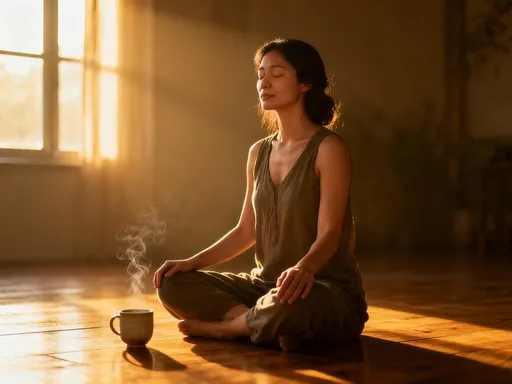
Mental well-being is deeply connected to physical health. Chronic stress, for example, doesn’t just affect your mood—it disrupts digestion, weakens immunity, and interferes with sleep. When you’re constantly in “fight or flight” mode, your body isn’t in a state to heal, repair, or thrive. That’s why practices like mindfulness, journaling, or simply pausing to breathe aren’t frivolous. They’re essential tools for regulation. Building self-compassion means treating yourself with the same kindness you’d offer a friend. It means saying, “I’m doing my best,” instead of “I should be doing more.” It means allowing room for imperfection, because real health isn’t about flawlessness—it’s about showing up, again and again, with kindness.
Energy First: Prioritizing Rest and Recovery
If health has a foundation, it’s rest. Not productivity. Not willpower. Not hustle. Rest. For women, whose energy levels often fluctuate due to hormonal cycles, stress, and caregiving roles, quality sleep and intentional recovery are non-negotiable. Yet, they’re often the first things sacrificed. We stay up late to finish tasks, scroll through our phones to unwind, or wake up early to get a head start—only to feel exhausted by midday. But sleep isn’t downtime. It’s active restoration. During deep sleep, your body regulates hormones like cortisol and melatonin, balances blood sugar, repairs tissues, and consolidates memories. Without enough of it, everything suffers—mood, focus, immunity, metabolism.
Science shows that consistent, high-quality sleep supports emotional stability and cognitive function. Women who get less than seven hours per night are more likely to experience irritability, anxiety, and difficulty concentrating. Poor sleep has also been linked to weight gain, insulin resistance, and increased inflammation—factors that contribute to long-term health risks. But it’s not just about quantity. It’s about rhythm. Going to bed and waking up around the same time—even on weekends—helps regulate your internal clock, making it easier to fall asleep and wake up naturally. Creating a wind-down routine signals to your body that it’s time to shift gears. This might include dimming the lights, sipping herbal tea, reading a book, or doing gentle stretches.
Digital boundaries are also crucial. The blue light from screens suppresses melatonin, the hormone that helps you sleep. Try to avoid screens at least an hour before bed, or use night mode settings if necessary. And don’t underestimate the power of quiet time during the day. Naps, even 20-minute ones, can recharge your brain and improve alertness. So can sitting in silence, stepping outside for fresh air, or simply closing your eyes. These moments aren’t laziness. They’re acts of maintenance. And saying no to extra commitments in order to protect your energy isn’t selfish—it’s wise. When you prioritize rest, you’re not opting out of life. You’re choosing to show up in it with more presence, patience, and power.
Movement That Feels Good—Not Punishing
For years, I associated exercise with punishment. If I ate something “bad,” I felt I had to “burn it off.” If I skipped a workout, I felt guilty. I pushed myself to run faster, lift heavier, sweat more—until I was sore, exhausted, and dreading the next session. Then I realized: this wasn’t sustainable. And it wasn’t healthy. Movement shouldn’t be a chore or a penance. It should be a celebration of what your body can do. The shift came when I stopped chasing numbers—on the scale, on the treadmill, on the fitness tracker—and started listening to how I felt.
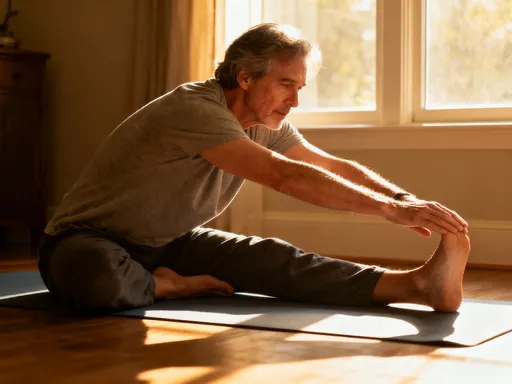
Joel movement—movement that feels good—is about joy, not judgment. It might be a walk in the park, dancing in the kitchen while dinner cooks, stretching in the morning sun, or lifting light weights while listening to a podcast. The goal isn’t to achieve a certain body type. It’s to feel strong, energized, and connected to your body. And the benefits go far beyond physical fitness. Regular, moderate activity boosts mood by increasing endorphins and reducing stress hormones. It improves sleep, supports digestion, and enhances circulation. For women, it can also help regulate menstrual cycles, ease PMS symptoms, and support bone density—especially important as we age.
The key is consistency, not intensity. You don’t need to spend hours at the gym to reap the benefits. Even 20 to 30 minutes of daily movement can make a difference. What matters most is finding something you enjoy and can stick with long-term. If you hate running, don’t run. If you love gardening, that counts. If you prefer yoga over HIIT, honor that. Your body isn’t a project to be fixed. It’s a partner to be respected. And when you move in ways that feel good, you build a positive relationship with it—one based on appreciation, not criticism. That shift in mindset doesn’t just change how you exercise. It changes how you see yourself.
Eating to Nourish, Not to Deprive
Dieting never worked for me. I’d restrict calories, cut out entire food groups, and count every bite—only to feel hungry, irritable, and eventually give up. Then I’d start again, trapped in a cycle of deprivation and overeating. What I didn’t realize was that the problem wasn’t my willpower. It was the approach. Focusing on restriction creates a scarcity mindset, making food feel like the enemy. But food isn’t the enemy. It’s fuel. It’s medicine. It’s comfort. And when we eat to nourish, rather than to deprive, everything changes.
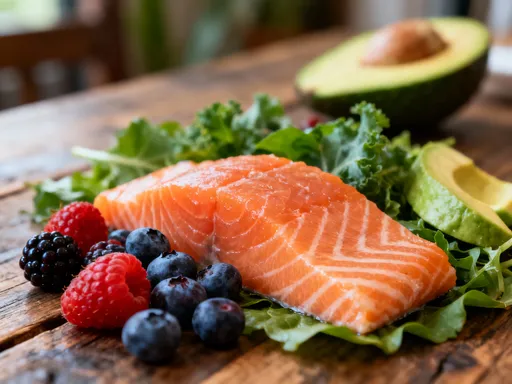
One of the most important insights I gained was about blood sugar balance. Women are particularly sensitive to blood sugar fluctuations, which can affect energy, mood, cravings, and hormone regulation. Skipping meals, eating too many refined carbs, or going too long without protein can lead to crashes—fatigue, brain fog, irritability, and intense hunger. But when I started eating regular, balanced meals with protein, fiber, and healthy fats, I noticed a dramatic shift. My energy stayed steady. My mood improved. My cravings decreased. I wasn’t counting calories. I was simply choosing foods that made me feel good.
Hydration also played a bigger role than I expected. Even mild dehydration can cause fatigue, headaches, and difficulty concentrating. Drinking enough water—starting with a glass in the morning, carrying a bottle throughout the day—helped me feel more alert and less hungry. And mindful eating—sitting down to eat, chewing slowly, noticing flavors and textures—helped me tune into hunger and fullness cues. I began to eat when I was hungry, stop when I was full, and enjoy my food without guilt. This wasn’t about following a strict plan. It was about building sustainable habits. And when I stopped seeing food as something to be controlled and started seeing it as something to be honored, eating became less stressful and more joyful.
Building Your Own Health Toolkit
There’s no one-size-fits-all approach to health. What works for your sister, your neighbor, or your favorite influencer might not work for you. And that’s okay. The goal isn’t to copy someone else’s routine. It’s to create your own—a personalized toolkit of practices that support your unique needs, lifestyle, and goals. This might include a morning stretch, a weekly meal prep session, a bedtime tea ritual, or a daily gratitude journal. The key is experimentation. Try different things. Notice what makes you feel better. Pay attention to subtle shifts in your energy, mood, digestion, and sleep. These are your body’s feedback system.
Tracking can be helpful, but not in a rigid way. You don’t need to log every bite or step. Instead, keep a simple note of how you feel each day. Did you sleep well? Were you calm or anxious? Did you have steady energy? Over time, patterns will emerge. You might notice that walking after dinner helps you sleep, or that skipping breakfast leads to afternoon crashes. These insights are powerful because they’re based on your own experience, not someone else’s rules. And when you make choices based on real data from your body, you build confidence and trust in yourself.
Professional guidance can also be a valuable part of your toolkit. A registered dietitian can help you navigate nutrition with science-based advice. A therapist can support emotional well-being. A primary care provider can monitor your health markers and offer personalized recommendations. Seeking help isn’t a sign of failure. It’s a sign of strength. Because being health-conscious doesn’t mean doing it all alone. It means knowing when to ask for support. And as life changes—through aging, career shifts, family transitions—your toolkit can evolve too. That’s the beauty of this journey: it’s not about reaching a finish line. It’s about growing, adapting, and learning to care for yourself in deeper, more meaningful ways.
Conclusion: A Life Lived With Greater Awareness
Looking back, I realize that my health journey wasn’t about one big change. It was about hundreds of small, consistent choices—choosing water over soda, rest over scrolling, movement over guilt, nourishment over restriction. These choices didn’t transform me overnight. But over time, they rebuilt my energy, clarity, and sense of self. I didn’t become perfect. I became more aware. And that awareness changed everything.
Health isn’t about flawlessness. It’s about showing up for yourself, day after day, with kindness and intention. It’s about listening to your body, honoring your limits, and making space for what truly matters. When you become health-conscious, you don’t just survive—you thrive. You show up as a calmer mother, a more focused professional, a more present friend. You feel stronger, clearer, and more in control of your life. And the best part? You don’t need to wait for a crisis to begin. You can start right where you are, with what you have. Because real health isn’t a destination. It’s a daily practice. And it’s never too late to begin.