What If Aging Wasn’t the Enemy?
Aging quietly shapes our health, but it doesn’t have to mean decline. Science now shows that how we age directly influences our risk for chronic diseases. Instead of chasing youth, focusing on healthy aging can prevent illness and extend vitality. I’ve tested small, sustainable changes—what works, what doesn’t, and why starting early makes a real difference. This isn’t about looking younger; it’s about living stronger, longer. The way we move, eat, rest, and manage stress doesn’t just affect how we feel today—it shapes the biological clock ticking inside every cell. And the most powerful tool we have isn’t a miracle pill, but consistent, everyday choices grounded in science.
Rethinking Aging: From Inevitable Decline to Preventable Risk
For generations, aging has been framed as a slow surrender—loss of energy, fading memory, weakening strength. But modern science is rewriting that story. Aging itself is not the enemy; it’s the rate at which we age that determines our health outcomes. Chronological age—the number of birthdays we’ve celebrated—is different from biological age, which reflects the functional state of our cells, organs, and systems. Two people can be 55 years old, yet one may have the internal resilience of someone decades younger. The difference lies in lifestyle, environment, and the subtle signals our bodies respond to every day.
At the core of this shift are biological markers such as telomeres, the protective caps at the ends of our chromosomes. Each time a cell divides, telomeres shorten. When they become too short, cells can no longer divide and may become dysfunctional or die. This process is linked to aging and age-related diseases. Research shows that factors like chronic stress, poor diet, and inactivity accelerate telomere shortening, while healthy habits can slow or even partially reverse it. Similarly, the body’s ability to repair DNA damage and clear out old or damaged cells—processes that decline with age—can be preserved through intentional choices.
Accelerated biological aging is strongly associated with higher risks of heart disease, type 2 diabetes, osteoporosis, and cognitive decline. Inflammation, oxidative stress, and impaired cellular communication act as hidden drivers, often going unnoticed for years. But here’s the empowering truth: these processes are not fixed. They respond to what we eat, how we move, how well we sleep, and how we manage emotional strain. Rather than accepting decline as inevitable, we can treat aging as a modifiable risk factor—much like high blood pressure or cholesterol. The goal isn’t immortality, but healthspan: the number of years lived in good health, free from chronic disease and disability.
The Silent Accelerator: Chronic Inflammation and Disease
One of the most significant discoveries in aging research is the role of chronic, low-grade inflammation—often called inflammaging. Unlike acute inflammation, which is a healthy response to injury or infection, inflammaging is a persistent, smoldering state that damages tissues over time. It doesn’t cause redness or swelling you can see; instead, it operates quietly, contributing to the breakdown of arteries, joints, and even brain tissue. Elevated levels of inflammatory markers like C-reactive protein (CRP) are linked to a higher risk of heart attacks, stroke, Alzheimer’s disease, and certain cancers.
Lifestyle is a major driver of this internal fire. Diets high in processed foods, refined sugars, and unhealthy fats activate the immune system in ways that promote inflammation. Excess body fat, particularly around the abdomen, is not just stored energy—it’s metabolically active tissue that releases inflammatory chemicals. Chronic stress raises cortisol levels, which over time can impair immune regulation and increase inflammation. Poor sleep disrupts the body’s natural repair cycles, leaving inflammation unchecked. Even久坐的生活方式—sitting for long hours without movement—has been shown to trigger inflammatory pathways.
The good news is that we can measure and manage this process. Blood tests for CRP, interleukin-6 (IL-6), and other markers can provide insight into your inflammatory status. More importantly, lifestyle changes can lower these levels. A study published in the American Journal of Clinical Nutrition found that people who followed a Mediterranean-style diet—rich in fruits, vegetables, whole grains, nuts, and olive oil—had significantly lower CRP levels within just a few months. Regular physical activity, stress reduction techniques like mindfulness, and quality sleep also play crucial roles in calming the body’s internal environment. The key is consistency: small, daily actions that collectively reduce the burden of inflammation.
Your Cells Are Listening: How Daily Habits Shape Cellular Health
Deep within the body, at the microscopic level, your cells are constantly responding to your choices. Two critical processes—autophagy and mitochondrial function—are central to how well your body ages. Autophagy, a term derived from Greek meaning “self-eating,” is the body’s way of cleaning out damaged or unnecessary cellular components. It’s like a nightly maintenance crew that removes junk and recycles materials to keep the system running smoothly. When autophagy declines, debris accumulates, increasing the risk of neurodegenerative diseases and cancer. Mitochondria, often called the powerhouses of the cell, produce the energy that fuels every bodily function. As they become less efficient with age, fatigue, muscle weakness, and metabolic issues can follow.
Lifestyle choices directly influence both of these processes. Fasting or time-restricted eating—limiting food intake to a specific window each day—has been shown to stimulate autophagy. During periods without food, the body shifts from growth mode to repair mode, activating cellular cleanup pathways. Research in animal models and emerging human studies suggest that even a 12- to 14-hour nightly fast can support this process. Similarly, exercise, particularly moderate-intensity aerobic and resistance training, enhances mitochondrial biogenesis—the creation of new mitochondria—and improves their efficiency.
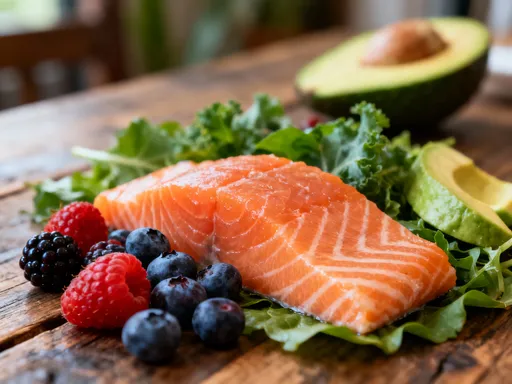
Nutrition also plays a vital role. Foods rich in polyphenols—such as berries, green tea, dark leafy greens, and dark chocolate—support mitochondrial health and reduce oxidative stress. Omega-3 fatty acids from fatty fish or flaxseeds help maintain cell membrane integrity and reduce inflammation. Protein intake, especially from high-quality sources, provides the building blocks for muscle and cellular repair. The message is clear: your cells are not passive victims of time. They respond dynamically to what you eat, how you move, and how you rest. The most effective strategies are not extreme or short-term, but sustainable habits that support cellular resilience over decades.
Move to Stay Young: The Non-Negotiable Role of Physical Activity
If there were a single, proven anti-aging intervention, it would be physical activity. Movement is not just about weight management or appearance; it’s a fundamental regulator of biological aging. Regular exercise improves cardiovascular health, enhances insulin sensitivity, strengthens bones, and supports brain function. But one of its most underappreciated benefits is the preservation of muscle mass. After age 30, adults lose 3% to 5% of muscle mass per decade—a condition known as sarcopenia. This loss isn’t just about strength; it affects metabolism, balance, and the ability to perform daily tasks independently.
Strength training is essential for countering this decline. Lifting weights, using resistance bands, or doing bodyweight exercises like squats and push-ups stimulates muscle protein synthesis, helping maintain and even build muscle. A study in the Journal of the American Geriatrics Society found that older adults who engaged in regular resistance training improved their physical function, reduced fall risk, and reported better quality of life. Cardiovascular exercise—such as brisk walking, cycling, or swimming—supports heart health and increases the efficiency of oxygen delivery throughout the body. Flexibility and balance exercises, like yoga or tai chi, reduce stiffness and improve coordination, lowering the risk of injury.
The key is consistency, not intensity. You don’t need to run marathons or spend hours in the gym. The Centers for Disease Control and Prevention (CDC) recommends at least 150 minutes of moderate-intensity aerobic activity per week, plus muscle-strengthening activities on two or more days. For many, this translates to a 30-minute walk five times a week and two short strength sessions. The benefits go beyond the physical: exercise reduces anxiety, improves sleep, and boosts mood by increasing endorphins and other brain chemicals. It also enhances insulin sensitivity, which helps regulate blood sugar and reduces the risk of type 2 diabetes—a major age-related condition. Movement, in any form, signals the body to stay strong, alert, and resilient.
Food as Longevity Fuel: What to Eat, What to Skip
Diet is one of the most powerful levers for healthy aging. What you eat doesn’t just fuel your day—it shapes your long-term health trajectory. Diets rich in whole, plant-based foods have been consistently linked to longer healthspans and lower rates of chronic disease. The Mediterranean diet, the DASH diet, and plant-forward eating patterns all share common elements: an abundance of vegetables, fruits, legumes, whole grains, nuts, seeds, and healthy fats, with moderate intake of fish, poultry, and dairy, and limited red and processed meats.
These patterns work because they provide a wide range of nutrients that support cellular function and reduce inflammation. Fiber, found in whole grains, beans, and vegetables, feeds beneficial gut bacteria, which play a role in immune regulation and metabolic health. Antioxidants in colorful produce neutralize free radicals that can damage cells. Healthy fats, such as those in olive oil, avocados, and fatty fish, support brain health and reduce arterial inflammation. Protein, especially from plant sources or lean animal products, helps maintain muscle mass and satiety.
Equally important is what to limit. Processed foods—packaged snacks, sugary cereals, fast food—are often high in refined carbohydrates, added sugars, and unhealthy fats. These ingredients spike blood sugar, promote fat storage, and drive inflammation. Excess sugar consumption, in particular, has been linked to insulin resistance, fatty liver disease, and accelerated aging at the cellular level. Even the timing of meals matters. Eating late at night or snacking constantly can disrupt metabolic rhythms and impair cellular repair processes. A practical approach is to focus on whole-food meals, minimize ultra-processed items, and consider time-restricted eating—such as finishing dinner by 7 p.m. and not eating again until breakfast. This simple shift can improve digestion, support weight management, and enhance metabolic health.
Sleep and Stress: The Invisible Pillars of Aging Well
While diet and exercise often take center stage, sleep and stress management are equally critical for healthy aging—yet they are frequently overlooked. Poor sleep doesn’t just leave you tired; it disrupts hormone balance, weakens immunity, and accelerates biological aging. During deep sleep, the body repairs tissues, consolidates memories, and clears metabolic waste from the brain, including proteins linked to Alzheimer’s disease. Chronic sleep deprivation—getting less than seven hours per night—has been associated with higher risks of obesity, diabetes, heart disease, and cognitive decline.
Similarly, chronic stress activates the hypothalamic-pituitary-adrenal (HPA) axis, leading to prolonged elevation of cortisol. Over time, this can impair immune function, increase blood pressure, and contribute to abdominal fat accumulation. Stress also affects behavior—leading to poor food choices, reduced physical activity, and disrupted sleep—creating a vicious cycle. The good news is that both sleep and stress can be improved with intentional habits. Establishing a consistent bedtime routine—such as dimming lights, avoiding screens, and practicing relaxation techniques—signals the body that it’s time to wind down. Mindfulness meditation, deep breathing exercises, and gentle movement like stretching or yoga can help regulate the nervous system and reduce stress reactivity.
Small changes can yield significant results. Going to bed and waking up at the same time every day—even on weekends—helps regulate the body’s internal clock. Creating a sleep-friendly environment—cool, dark, and quiet—supports deeper rest. Limiting caffeine after noon and avoiding heavy meals before bedtime can prevent sleep disruptions. Over time, these habits improve not just sleep quality, but overall resilience. When the body is well-rested and stress is managed, it can better regulate blood sugar, control inflammation, and support cellular repair. These invisible pillars form the foundation of long-term health.
Putting It All Together: A Sustainable Approach to Disease Prevention
Healthy aging isn’t about perfection or extreme measures. It’s about creating a lifestyle that supports your body’s natural ability to heal, adapt, and thrive. The seven pillars discussed—rethinking aging, reducing inflammation, supporting cellular health, staying active, eating well, sleeping deeply, and managing stress—are not isolated strategies. They work together in a dynamic system. For example, exercise reduces inflammation and improves sleep; good nutrition supports mitochondrial function and muscle health; stress management enhances insulin sensitivity and immune function. When these elements align, they create a protective effect that extends far beyond any single intervention.
The earlier you start, the greater the benefit. But it’s never too late to make a difference. Research shows that even in later life, adopting healthier habits can improve physical function, cognitive performance, and quality of life. The key is to begin with small, manageable changes—what experts call habit stacking. Start with one action, such as walking 10 minutes after dinner, drinking more water, or going to bed 15 minutes earlier. Once that becomes routine, add another. Over time, these small shifts accumulate into lasting transformation.
Aging well is not a matter of luck or genetics alone. While genes play a role, lifestyle factors account for a significant portion of how we age. The choices you make today—what you eat, how you move, how you rest—send signals to your cells that shape your biological future. This is not about chasing youth, but about honoring the life you have by living it with strength, clarity, and vitality. Science now confirms what many have sensed: aging doesn’t have to mean decline. With knowledge, intention, and consistency, we can redefine what it means to grow older. The power to age well is, in many ways, already in your hands.