How I Bounced Back with Simple Moves: My Real Talk on Moderate Exercise for Recovery
You don’t need intense workouts to feel better—sometimes, the gentlest steps make the biggest difference. After my own recovery journey, I learned how moderate exercise quietly rebuilt my strength, energy, and confidence. It wasn’t magic—just consistent, doable movement that worked. This is a science-backed look at how walking, light cycling, and everyday activity can support healing, ease fatigue, and improve well-being. No extremes. No hype. Just real, practical insight into how moving less can actually help you heal more.
The Hidden Power of “Not Doing Much”
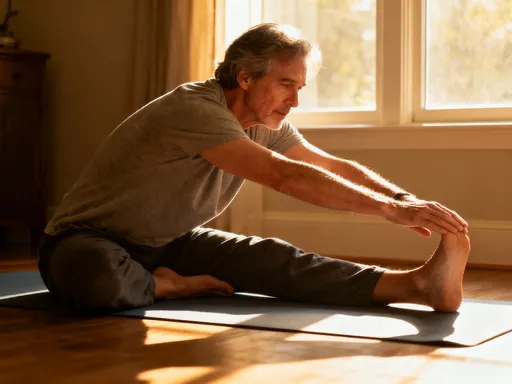
When most people think of exercise, images of running marathons, lifting heavy weights, or sweating through high-intensity classes come to mind. But in the world of recovery, the most powerful form of movement often looks nothing like that. Moderate exercise—defined as physical activity that raises your heart rate slightly but still allows you to hold a conversation—is not only accessible, it’s often the most effective choice for healing. Examples include brisk walking, slow dancing, light gardening, or even gentle stretching. These activities may seem too simple to make a difference, but they play a crucial role in restoring function without overwhelming the body.
Despite its benefits, low-intensity movement is frequently overlooked in recovery plans. Society tends to glorify extreme effort, promoting the idea that more is always better. This mindset can be especially harmful when someone is healing from illness, surgery, or prolonged fatigue. The truth is, during recovery, the body isn’t asking for heroics—it’s asking for support. Gentle activity provides that support by improving circulation, delivering oxygen and nutrients to tissues, and helping clear metabolic waste. It’s not about burning calories or building muscle quickly; it’s about creating the internal conditions where healing can happen naturally.
Scientifically, moderate exercise stimulates blood flow in a way that supports tissue repair. When you move gently, your heart pumps more efficiently, sending oxygen-rich blood to muscles, joints, and organs. This increased circulation helps reduce inflammation, a common barrier to recovery. Chronic inflammation can delay healing and contribute to persistent pain or fatigue, but studies have shown that regular, low-impact movement helps regulate the body’s inflammatory response. Additionally, moderate activity supports lymphatic drainage, which plays a key role in removing toxins and reducing swelling. These processes don’t require strain—they thrive on consistency and rhythm.
Why Your Body Actually Heals Better with Less
The human body operates best within certain physiological ranges, especially during recovery. One of the most important factors is heart rate. Moderate exercise typically keeps your heart rate between 50% and 70% of your maximum, a zone where the body can efficiently deliver oxygen without triggering excessive stress hormones like cortisol. This balance is essential because while some stress is necessary for adaptation, too much can impair healing. Intense workouts, though beneficial in other contexts, can increase muscle breakdown, delay tissue repair, and weaken the immune system—exactly what someone recovering needs to avoid.
Oxygen delivery is another critical element. When tissues receive adequate oxygen, they repair faster and function better. Gentle movement enhances lung capacity and improves the efficiency of the cardiovascular system, ensuring that oxygen reaches areas that need it most. For example, after an injury or surgery, surrounding muscles may weaken due to inactivity. Light activity helps maintain muscle tone and prevents atrophy without placing undue strain on healing tissues. This is why physical therapists often recommend early mobilization—even simple ankle pumps or seated marches—for patients recovering in the hospital.
Overexertion, on the other hand, can backfire. Pushing too hard too soon may lead to setbacks such as increased pain, prolonged fatigue, or even re-injury. The difference between moderate and intense effort lies not just in duration or speed, but in how the body responds. Intense exercise creates micro-tears in muscles that require time and resources to repair. While this is part of building strength in healthy individuals, it competes with the body’s existing repair work during recovery. In contrast, moderate movement supports existing healing processes without adding extra demands. It’s the difference between helping a garden grow by watering it gently each day versus flooding it all at once.
Clinical observations consistently show that patients who begin light activity early in their recovery—such as walking short distances after surgery—tend to heal faster and experience fewer complications. They report less stiffness, improved appetite, and better sleep. While individual circumstances vary, the pattern is clear: movement, even in small doses, signals to the body that it’s safe to resume normal function. This psychological and physiological feedback loop accelerates recovery in ways rest alone cannot.
Common Misbeliefs That Hold People Back
One of the biggest obstacles to adopting moderate exercise during recovery is misinformation. The myth of “no pain, no gain” is deeply ingrained in fitness culture, but it has no place in healing. This mindset suggests that progress only happens when you push yourself to the limit, but recovery doesn’t work that way. Pain is not a sign of progress—it’s a warning signal. Ignoring it can lead to setbacks, increased recovery time, and discouragement. The truth is, healing thrives on consistency, not intensity. Small, pain-free movements done regularly are far more effective than sporadic, painful efforts.
Another common misconception is that rest means complete inactivity. Many people believe that to heal, they must stay in bed or avoid all physical effort. But the body isn’t designed for prolonged stillness. In fact, too much rest can lead to muscle weakness, joint stiffness, poor circulation, and even mood changes. True rest includes quality sleep, stress management, and giving the body time to repair—but it also includes gentle movement. Movement is a form of self-care, not a threat to recovery. Even five minutes of walking or stretching can stimulate circulation, improve mood, and prevent deconditioning.
Fear of re-injury is another barrier that keeps people from moving. After an injury or illness, it’s natural to feel cautious. But avoiding movement out of fear can create a cycle of weakness and increased vulnerability. Moderate exercise, when done correctly, actually reduces the risk of re-injury by gradually rebuilding strength, improving balance, and enhancing joint stability. It teaches the body how to move safely again. Over time, this builds confidence as much as it builds physical capacity. The key is to listen to your body, start slowly, and progress at a pace that feels sustainable.
What Moderate Exercise Looks Like in Real Life
Moderate exercise doesn’t require special equipment, a gym membership, or hours of time. It fits into everyday life in ways that feel natural and manageable. A 10-minute walk around the neighborhood, stretching while watching the morning news, or doing light household chores like folding laundry or sweeping the floor all count. These activities may not feel like “exercise” in the traditional sense, but they contribute to overall movement volume, which is essential for recovery. The goal isn’t to achieve a certain number of steps or calories burned—it’s to keep the body engaged and functioning.
One of the easiest ways to tell if you’re in the right intensity zone is the “talk test.” If you can speak in full sentences without gasping for breath, you’re likely in the moderate range. Another method is perceived effort—on a scale of 1 to 10, moderate exercise should feel like a 4 or 5. It’s noticeable, but not exhausting. You should feel a little warmer and perhaps slightly out of breath, but not strained. If you feel dizzy, short of breath, or experience pain, it’s a sign to slow down or stop.
Adapting moderate exercise to individual needs is essential. For someone with joint pain, low-impact options like walking on soft surfaces, water-based activities, or seated exercises may be best. For those dealing with fatigue, breaking activity into shorter sessions—such as three 5-minute walks throughout the day—can be more effective than one longer session. Post-injury limitations may require modifications, but that doesn’t mean movement isn’t possible. Even small motions, like ankle circles or shoulder rolls, can maintain circulation and prevent stiffness. The key is to work within your current ability, not against it.
Building a Routine That Sticks—Without Burnout
One of the biggest challenges in recovery is maintaining consistency without burning out. The solution isn’t willpower—it’s strategy. Starting small is crucial. The “5-minute rule” suggests committing to just five minutes of movement a day. Often, once you begin, you’ll find you can go longer, but the low barrier to entry makes it easier to show up even on tough days. Pairing exercise with an existing habit—like doing gentle stretches after brushing your teeth or taking a walk after lunch—creates what’s known as “habit stacking,” which increases the likelihood of long-term adherence.
Environmental cues also play a powerful role. Leaving walking shoes by the door, setting a calendar reminder, or keeping a resistance band on the kitchen table can serve as visual prompts that make movement more automatic. These small changes reduce the mental effort required to get started, which is especially helpful when energy is low. Over time, these cues help turn intention into routine.
Tracking progress in recovery shouldn’t focus on numbers like steps or calories. Instead, pay attention to how you feel. Are you sleeping better? Do you have more energy to spend with family? Can you stand in the kitchen longer without discomfort? These functional improvements are more meaningful indicators of healing than any fitness tracker can show. Celebrating small wins—like walking to the mailbox without stopping—builds motivation and reinforces the value of consistent effort.
The Bigger Picture: How Movement Fuels Mental and Physical Recovery
Recovery is not just a physical process—it’s deeply intertwined with mental and emotional well-being. Moderate exercise supports both. Physical activity, even at low intensity, triggers the release of endorphins, serotonin, and other neurotransmitters that help regulate mood and reduce stress. These natural chemicals can ease feelings of anxiety, improve focus, and promote a sense of calm. For someone navigating the emotional challenges of recovery—frustration, fear, or sadness—this biochemical boost can be profoundly comforting.
Sleep is another area where gentle movement makes a difference. Many people recovering from illness or injury struggle with insomnia or restless sleep. Regular physical activity helps regulate the body’s internal clock, making it easier to fall asleep and stay asleep. Better sleep, in turn, supports tissue repair, immune function, and emotional resilience. It’s a positive feedback loop: movement improves sleep, and better sleep enhances recovery, making it easier to stay active.
Perhaps one of the most powerful benefits of moderate exercise is the sense of agency it provides. Illness and injury can leave people feeling powerless. Daily movement, no matter how small, becomes an act of self-determination. It’s a way of saying, “I am still in charge of my body.” Over time, this builds confidence—not just in physical ability, but in the belief that healing is possible. Each walk, each stretch, each moment of movement reinforces a quiet but growing sense of strength.
Putting It All Together: A Sustainable Path Forward
Creating a recovery plan that works means letting go of one-size-fits-all approaches and embracing flexibility. A sustainable routine is built on what you can do today, not what you used to do or what others expect. It starts with listening—to your body, your energy levels, your limitations. Some days, that might mean a 20-minute walk. Other days, it might mean five minutes of seated breathing and shoulder rolls. Both are valid. The goal is consistency, not perfection.
Knowing when to pause and when to gently push forward is part of the process. There will be days when fatigue or pain increases. On those days, rest is not failure—it’s part of healing. But prolonged inactivity isn’t the answer either. The key is to stay connected to your body’s signals and adjust accordingly. If you’ve been sedentary for several days, try a short walk. If movement feels good, gradually increase duration or frequency. If it doesn’t, scale back and try again later.
Finally, it’s important to emphasize that this information is based on general health principles and real-life experience, not medical advice. Every recovery journey is unique. Before starting any new activity, especially after illness, surgery, or chronic health issues, it’s essential to consult with a healthcare provider. They can offer personalized guidance based on your medical history and current condition. This ensures that your approach to movement is both safe and effective.
Moderate exercise isn’t about performance—it’s about presence. It’s showing up for your body in the quietest, most consistent way. When healing feels slow, small movements become powerful acts of care. This approach isn’t flashy, but it’s lasting. By embracing gentle motion, you’re not just recovering—you’re rebuilding a healthier, more resilient life, one step at a time.