How I Cracked the Code on Smart Luxury Spending – A Real Guide
What if buying luxury wasn’t about splurging, but about strategizing? I used to think luxury purchases were just emotional treats—until I started analyzing the market and realized they can be smart financial moves. From handbags to watches, some assets hold value, even appreciate. This isn’t about showing off—it’s about spending wisely, protecting your money, and sometimes even profiting. Let me walk you through how I shifted my mindset—and my wallet. What began as a personal frustration with post-purchase regret turned into a disciplined approach that blends emotional satisfaction with financial awareness. I’m not a trader or a financier, but I’ve learned that certain luxury goods operate differently than ordinary consumer items. With the right knowledge, timing, and boundaries, what once felt like indulgence can become a calculated, even rewarding, part of your financial behavior.
The Mindset Shift: From Impulse to Investment Thinking
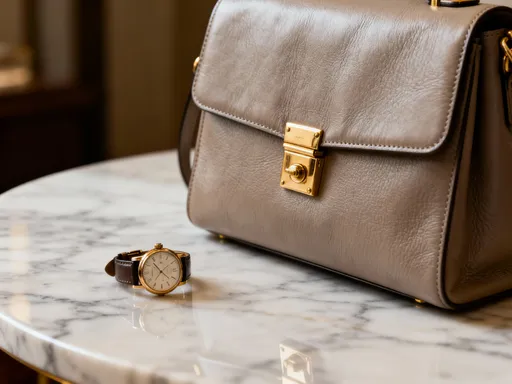
For years, I viewed luxury purchases as exceptions—small treats earned after a big win or a difficult season. A new handbag, a quality timepiece, or a designer coat felt like rewards, but they also came with quiet guilt. Why? Because I knew most would lose value the moment I walked out of the store. That changed when I began to notice something unexpected: not everything depreciated at the same rate. Some items, particularly in watches and select handbags, held their worth over time. That realization sparked a shift—from seeing luxury as consumption to seeing it as potential value preservation.
This wasn’t about chasing profits, but about minimizing waste. I started asking myself a new set of questions before any purchase: Will this still matter to me in two years? Is it part of a collection or a fleeting trend? Could someone else want this later? These questions reframed my relationship with spending. Instead of focusing only on how something made me feel in the moment, I began to assess its longevity, both emotionally and financially. This shift didn’t make me frugal—it made me intentional.
Importantly, I didn’t start treating every luxury buy like a stock. That would be unrealistic and emotionally exhausting. Instead, I adopted the mindset of a steward—someone who cares for an asset that might one day be passed on, resold, or repurposed. I began setting personal thresholds: no luxury purchase over a certain amount unless it met at least two criteria for long-term value. This small rule eliminated impulse buys and elevated the significance of each acquisition. Over time, I found I bought less—but enjoyed more. The emotional payoff didn’t come from the act of buying, but from the confidence that I hadn’t simply burned money.
The key insight? Luxury spending doesn’t have to be at odds with financial responsibility. When approached with clarity, it can reflect both self-care and smart judgment. The emotional reward is still there, but it’s layered with a quiet pride in making a choice that stands the test of time. This mindset didn’t eliminate desire—it refined it. And that refinement made all the difference.
What Makes a Luxury Item Hold Its Value?
Not all luxury goods are built to last in the resale market. I learned this the hard way after buying a limited-run scarf that seemed special at the time—only to find it flooding resale sites months later at half the price. That experience pushed me to study what truly drives value retention. Through tracking dozens of purchases and monitoring resale platforms over several years, I identified consistent patterns. Four factors emerged as the strongest predictors: scarcity, brand consistency, craftsmanship, and demand in the secondary market.
Scarcity is perhaps the most powerful driver. Items produced in limited quantities, especially those no longer in production, tend to maintain or increase in value. But scarcity alone isn’t enough. A rare item from a brand with inconsistent quality or fading reputation may still lose value. That’s where brand consistency comes in. Houses that maintain high standards across decades—delivering recognizable designs, reliable materials, and strong customer service—build trust that translates into lasting demand. Think of brands that have remained relevant across generations; their products carry an implicit promise of endurance.
Craftsmanship is harder to quantify but equally important. A well-constructed handbag with hand-stitched details, durable hardware, and premium leather ages gracefully. In contrast, items with synthetic linings, flimsy zippers, or uneven stitching often show wear quickly, reducing their appeal to secondhand buyers. I began paying attention to these details before buying, sometimes even consulting repair specialists or long-term owners to understand how a piece holds up over time.
Finally, demand in the resale market acts as a real-time indicator of value. I started monitoring platforms where authenticated luxury goods are traded, noting which models consistently sell above retail and which disappear quickly. For example, certain classic handbag styles from established French and Italian houses regularly command premium prices years after release. Meanwhile, trendy pieces from emerging designers—no matter how beautiful—often vanish from the market within a year. This data-driven observation helped me distinguish between fashion statements and lasting assets.
Together, these factors form a kind of checklist. Before any significant purchase, I now ask: Is it scarce? Is the brand reliable? Is it well-made? Is there active demand? If three or more are true, it’s more likely to retain value. This isn’t a guarantee, but it significantly improves the odds. And that’s the goal—not perfection, but better decisions.
The Hidden Market: How Resale and Consignment Work
I used to think the resale market was just for budget shoppers. Then I sold a vintage watch I’d worn occasionally and received 85% of its original price—three years later. That surprise opened my eyes to a thriving ecosystem I’d ignored. The pre-owned luxury market has grown rapidly, supported by specialized boutiques, online platforms, and authentication services. What was once a niche has become a mainstream channel for both buying and selling, offering real liquidity for high-end goods.
Authentication is the backbone of this market. Reputable platforms and consignment stores now employ experts who verify materials, serial numbers, and craftsmanship before listing an item. This process protects both buyers and sellers, reducing the risk of fraud. I learned that well-documented items—those with original receipts, boxes, and service records—fetch higher prices and sell faster. Keeping these documents organized became a new habit, one that paid off when it came time to sell.
Pricing in the resale market follows supply and demand, but with nuances. Unlike retail, where prices are fixed, resale values fluctuate based on availability, model popularity, and even cultural moments. I noticed that certain handbag styles spiked in value after being featured by public figures or during fashion anniversaries. Timing a sale to align with these trends can make a significant difference. Waiting too long, however, risks missing the peak—especially if a new version is released, making the older model less desirable.
Choosing the right channel matters too. Some platforms offer convenience but take high commission fees. Others provide better exposure but require more effort in listing and shipping. I experimented with several and found that combining online marketplaces with local consignment shops gave me the best balance of speed and return. For high-value items, I now use specialized auction houses that attract serious collectors, even if it takes longer to sell.
The biggest lesson? Resale isn’t just a way to recoup costs—it’s part of a circular economy. When I buy with resale in mind, I’m not just spending; I’m entering a cycle where ownership can be temporary, and value can be recovered. This changes the emotional weight of spending. Instead of feeling like a one-way loss, a luxury purchase becomes a potential exchange. And that shift makes it easier to justify—and enjoy—what I buy.
Timing Matters: When to Buy (and When to Wait)
Timing can make or break a luxury purchase. I learned this after buying a popular handbag during its launch window, only to see prices drop within six months as supply increased. Meanwhile, a friend waited nine months to buy the same model and paid less—while I was already using mine. That stung, but it taught me that luxury goods, like many assets, have market cycles. Understanding these cycles can help avoid overpaying and even create opportunities for smarter entry points.
Launch periods are often the worst time to buy if value retention is a goal. High demand and limited initial supply can inflate prices, especially in the resale market. I now wait at least six to twelve months after a new release to assess its trajectory. If demand remains strong and supply stays tight, the item is more likely to hold value. If it floods the market quickly, it’s a sign of overproduction—and likely poor resale performance.
On the flip side, limited editions and anniversary models often gain value shortly after release. These items are marketed as collectible from the start, and their scarcity is real. I track brand calendars and collector forums to anticipate these releases. When one aligns with a brand’s strong reputation and historical performance, I consider it a higher-potential purchase. But I still set a budget and stick to it—scarcity can trigger FOMO, and that’s when rational thinking fades.
Cultural and economic trends also influence timing. During periods of economic uncertainty, some buyers turn to tangible assets like watches and jewelry as a hedge against inflation. I noticed increased demand for certain Swiss timepieces during market downturns, pushing their resale values up. Similarly, fashion revivals can breathe new life into older models. A handbag from the 1990s might suddenly become desirable again due to a runway reboot or celebrity endorsement. Staying informed about these shifts helps me decide when to buy, hold, or sell.
My current rule: never buy at peak hype. Instead, I monitor price trends over time and look for stabilization. If an item holds its value after the initial buzz fades, it’s more likely to be a solid long-term holder. This patient approach has saved me money and improved the quality of my purchases. It’s not about waiting for the absolute lowest price—it’s about avoiding emotional peaks and making decisions based on data, not desire.
Brand Dynamics: Why Some Labels Outperform Others
Not all luxury brands are equal when it comes to value retention. Over three years, I tracked the resale performance of handbags and watches from five major fashion houses. The differences were striking. One brand’s classic tote consistently sold for 90% of retail value after two years, while another’s trendy shoulder bag dropped to 40%. This wasn’t random—it reflected deeper brand dynamics that separate the durable from the disposable.
Heritage plays a major role. Brands with long histories, especially those known for pioneering designs or craftsmanship, tend to inspire more trust. Their products carry a sense of legacy, which appeals to collectors and long-term owners. Innovation matters too—not in the sense of constant change, but in the ability to evolve without losing identity. Houses that refresh their classics thoughtfully, rather than chasing every trend, maintain stronger market positions.
Exclusivity is another key factor. Brands that limit production, control distribution, and avoid over-licensing protect their image and scarcity. I noticed that labels with widespread availability in department stores or frequent discounts often saw faster depreciation. In contrast, those with boutique-only distribution and rare collaborations maintained stronger resale values. Global appeal amplifies this effect. A brand popular across Europe, Asia, and North America has a broader buyer pool, increasing demand in the secondary market.
It’s not enough to love a design. I’ve fallen for beautiful pieces that failed the brand test—lovely to wear, but poor performers over time. Now, I evaluate the brand’s track record before falling in love. I research how past models have performed, consult resale data, and even read customer service reviews. A brand that stands behind its products with repairs and authentication services signals long-term commitment, which translates into buyer confidence.
This doesn’t mean only buying the most famous names. Some smaller houses with strong craftsmanship and focused output also perform well. But they require more research. My rule is simple: if a brand doesn’t have a clear history of value retention, I treat the purchase as pure consumption, not a potential asset. That clarity keeps my expectations realistic and my spending aligned with my goals.
Risk Control: The Real Dangers of “Investing” in Luxury
Let’s be clear: buying luxury goods is not the same as investing in stocks or real estate. I learned this the hard way when I justified an expensive purchase by telling myself it “held value.” Emotion clouded my judgment. The truth is, luxury items come with real risks—lack of income, storage costs, authenticity disputes, and market volatility. They don’t pay dividends, and their value depends entirely on what someone else is willing to pay.
One of my biggest mistakes was underestimating storage and maintenance. Leather needs conditioning, watches need servicing, and jewelry requires cleaning. Ignoring these costs eroded my returns. I now budget for upkeep as part of the total cost of ownership. I also store items properly—away from light, moisture, and dust—to preserve condition. A well-maintained item sells faster and for more, so these efforts pay off.
Authenticity is another major risk. The rise of counterfeits means even careful buyers can get fooled. I once bought a secondhand bag from an unverified seller and later discovered it was fake. The loss was financial, but also emotional. Since then, I only buy from authenticated sources or sellers with verifiable track records. I also keep all documentation, including service receipts and authentication cards.
Market shifts are unpredictable. A brand that’s strong today might lose relevance tomorrow due to leadership changes, scandals, or changing tastes. I’ve seen once-popular labels fade from resale platforms entirely. That’s why I never allocate more than a small portion of my discretionary budget to luxury goods. These purchases complement my financial plan—they don’t drive it.
To protect myself, I set strict personal rules: no borrowing to buy, no spending beyond my pre-set limit, and no justifying purchases as “investments” unless they meet clear criteria. This discipline keeps me grounded. Luxury can be rewarding, but only when it’s treated with respect, not illusion.
Building a Personal Strategy: From One-Off Buy to Smart System
Today, I approach luxury spending like managing a small portfolio. I don’t buy more—I buy better. Each purchase is evaluated against a personal framework that balances enjoyment, value retention, and financial discipline. This system didn’t happen overnight. It evolved from mistakes, research, and a desire to align my spending with my values.
My strategy starts with a budget. I set an annual limit for luxury purchases—separate from everyday spending and savings. This cap prevents overspending and forces me to prioritize. Within that budget, I allocate funds based on category performance. Watches and handbags, which have stronger resale records, get more weight. Clothing and accessories, which depreciate faster, get less.
I track every purchase: original price, condition, maintenance costs, and resale value over time. This data helps me refine my choices. If a brand consistently underperforms, I stop buying it. If a style repeatedly holds value, I consider it a core piece. I also set exit points—knowing when to sell before demand drops. This isn’t cold or calculating; it’s practical stewardship.
Enjoyment is still central. I don’t buy things I don’t love. But now, I can love them with less guilt. The financial awareness doesn’t diminish the pleasure—it enhances it. I feel more confident, more in control. What used to be a source of regret is now a source of insight.
This system isn’t perfect, and it’s not meant for everyone. But it works for me. It turns luxury from a guilty secret into a transparent, intentional practice. And that transformation has been worth more than any single purchase.
Luxury doesn’t have to be financial folly. With the right mindset and tools, it can be a thoughtful part of your spending strategy. I didn’t set out to become a market analyst—I just wanted to stop losing money on things I loved. What I found was a whole new way to engage with value, ownership, and choice. This isn’t a shortcut to wealth, but a smarter way to enjoy what you buy—without regret.