How I Smartly Grew My Car Fund Without Risking a Dime
So you want to buy a car but don’t want to drain your savings or rely on loans? I’ve been there. A few years ago, I started setting aside money for a car, but simply stashing cash wasn’t cutting it. I needed growth without sleepless nights. What I discovered wasn’t a get-rich-quick scheme, but a smart, balanced investment layout that actually worked. This is how I turned disciplined saving into a fully funded, stress-free car purchase—using real strategies that protect and grow. It wasn’t about luck, timing, or earning more. It was about making thoughtful choices that aligned with my timeline, risk tolerance, and financial reality. And the best part? I never once compromised my peace of mind.
The Car Fund Trap Most People Fall Into
Most people assume that saving for a car means parking money in a regular savings account. It feels responsible, predictable, and safe. But there’s a hidden cost most don’t see: inflation. Over time, the purchasing power of money sitting untouched in a low-interest account slowly erodes. What seemed like progress could actually be a quiet loss. I learned this the hard way. When I first began planning for my car, I was proud of myself for setting aside $200 a month. After two years, I had $5,000—on paper. But when I looked at car prices, I realized they had gone up faster than my balance. I wasn’t falling behind because I wasn’t saving enough; I was falling behind because my money wasn’t working hard enough.
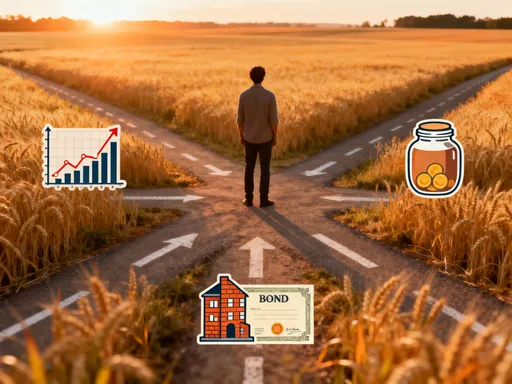
The real danger in car fund planning isn’t overspending—it’s complacency. Many believe that avoiding risk means avoiding loss, but that mindset ignores opportunity cost. By keeping all funds in ultra-safe vehicles with negligible returns, you’re effectively accepting a guaranteed decline in real value. For goals that are two to five years away, like buying a car, this can be especially damaging. The timeline is too long for pure cash, yet too short for aggressive investments. That middle ground is where most people get stuck, not knowing how to balance safety with growth. I realized I needed a smarter approach—one that respected both my goal and the economic realities at play.
What changed everything was shifting my perspective. Instead of asking, “Where can I keep my money safely?” I began asking, “Where can I preserve value while allowing for modest growth?” This subtle but powerful shift in thinking opened the door to better financial tools and strategies. I no longer saw my car fund as a static pile of cash but as a dynamic part of my financial life. It needed structure, intention, and protection—not just from market swings, but from inflation and poor planning. Once I embraced that mindset, I was ready to build a strategy that actually moved me forward.
Why "Safe" Doesn’t Always Mean "Smart"
It’s natural to equate safety with security, especially when saving for something important. But in personal finance, what feels safe isn’t always the smartest choice. Take traditional savings accounts, for example. They’re FDIC-insured, easily accessible, and emotionally comforting. But their average annual yield—often below 0.5%—rarely keeps pace with inflation, which historically averages around 2% to 3% per year. That means every dollar saved in such an account loses value over time. After three years, a $6,000 fund earning 0.4% interest would grow to just $6,072, while inflation could reduce its real purchasing power by nearly $360. You’re technically not losing money, but you’re definitely not winning.
I tested this by tracking two parallel scenarios: one where I saved $250 a month in a basic savings account, and another where I placed the same amount into a diversified, low-volatility portfolio tailored for a three-year horizon. After 36 months, the difference was clear. The savings account totaled about $9,000 with minimal interest. The other approach, using a mix of short-term bonds and money market funds, reached over $9,400—nearly 5% more, with only slightly more complexity. The extra growth wasn’t from speculation; it came from simply choosing tools that offered better yield without sacrificing safety. This experience taught me that “safe” should not mean “inactive.” True financial safety includes protecting against both loss and missed opportunities.
Another issue with overly conservative choices is liquidity mismatch. Some people lock money into fixed deposits or certificates of deposit (CDs) for higher interest, only to find they need the funds earlier than expected. Early withdrawal penalties can erase any gains, turning a well-intentioned move into a financial setback. I learned to prioritize liquidity within my time frame. Since I knew I’d need the money in about three years, I avoided long-term locks and instead chose instruments that allowed access without penalty. This balance between yield and flexibility became a cornerstone of my strategy. Safety, I realized, isn’t just about avoiding risk—it’s about designing a plan that adapts to life’s uncertainties without derailing progress.
Mapping Your Investment Layout: The 3-Zone Strategy
Once I understood the limitations of traditional saving, I built a structured approach to grow my car fund with confidence. I called it the 3-Zone Strategy, and it became the blueprint for my success. The idea was simple: divide the fund into three distinct zones based on purpose, time horizon, and risk tolerance. Each zone had a specific role, and together, they created a balanced system that minimized emotional decisions and maximized consistency. This wasn’t about chasing returns—it was about creating a predictable path to my goal.
The first zone was Stability. This held about 50% of my total fund and was dedicated to capital preservation. I used FDIC-insured high-yield savings accounts and short-term Treasury securities. These tools offered modest but reliable returns with virtually no risk of loss. Knowing that half my money was completely secure gave me peace of mind, especially during market fluctuations. This zone acted as the foundation—like the frame of a house—providing structure and protection.
The second zone was Growth. I allocated about 30% here, focusing on low-to-moderate risk instruments that historically outperformed inflation. I used short-duration bond funds and investment-grade corporate bonds with maturities under three years. These assets had some price fluctuation, but over my time horizon, they delivered steady income and modest appreciation. I didn’t chase high yields or complex products. Instead, I looked for consistency, transparency, and low fees. This zone was designed to add meaningful growth without exposing me to unnecessary volatility.
The third zone was Flexibility. This 20% portion stayed in highly liquid accounts—like money market funds or cash sweep accounts—ready to be used if opportunities arose or plans changed. Maybe I found a great car deal earlier than expected, or needed to adjust my timeline. This zone ensured I wasn’t forced to sell investments at an inopportune time. It also allowed me to take advantage of dollar-cost averaging by investing small amounts regularly. By separating my fund into these three zones, I created a system that was both resilient and adaptable. It removed guesswork and kept me focused on my goal, no matter what the market did.
What Actually Works: Real Tools I Used
When building my car fund, I made a firm rule: no stocks, no crypto, no speculative assets. These might work for long-term goals like retirement, but for a short-to-medium term objective, they introduced too much uncertainty. I needed tools that were reliable, transparent, and designed for stability with some growth. After researching and testing several options, I settled on a handful of real, accessible financial instruments that delivered consistent results.
The first was short-term bond funds. These are mutual funds or ETFs that hold bonds with maturities of one to three years. Because the bonds mature quickly, their prices don’t swing wildly with interest rate changes. I chose funds with strong credit ratings and low expense ratios. Over three years, my allocation in these funds returned an average of 2.8% annually—more than triple the yield of a standard savings account. The key was staying disciplined and not reacting to minor fluctuations. I treated these funds as long-term holds, not trading vehicles.
Next, I used Treasury securities, particularly Treasury bills (T-bills). These are issued by the U.S. government and are considered one of the safest investments available. I bought T-bills with maturities that aligned with my timeline—some at 6 months, others at 12 or 18 months. As each bill matured, I reinvested the proceeds into new bills or shifted the money into my stability zone as my purchase date neared. This rolling approach ensured continuous growth while gradually reducing exposure to market changes.
I also utilized high-yield money market funds. These are not the same as regular savings accounts, though they’re often offered through the same brokerage platforms. They invest in short-term, high-quality debt like commercial paper and government securities, offering slightly higher returns with minimal risk. I kept my flexibility zone here, allowing easy access while earning around 2.5% annually. Importantly, I made sure these were regulated, SEC-compliant funds—not speculative alternatives.
One of the most effective techniques I used was dollar-cost averaging. Instead of investing a lump sum, I contributed a fixed amount—usually $250—every month, regardless of market conditions. This smoothed out the impact of price swings and removed the pressure to time the market. Over time, this method helped me buy more shares when prices were low and fewer when they were high, leading to a lower average cost. It wasn’t exciting, but it was effective. These tools weren’t flashy, but they worked—quietly, consistently, and without drama.
Timing the Market? No. Timing Your Cash Flow? Yes.
Early on, I made the mistake of trying to time my investments. I waited for “the right moment” to put money in, watching interest rates and bond yields like a hawk. But I soon realized this was a losing game. For a car fund, market timing doesn’t just fail—it distracts. The real power wasn’t in picking the perfect entry point; it was in building a reliable rhythm of contributions and reallocations. Once I shifted my focus from timing the market to timing my cash flow, everything changed.
I aligned my deposits with my paycheck cycle. Every time I got paid, I automatically transferred a portion to my car fund. This made saving effortless and consistent. I didn’t need motivation—just a simple rule. Over time, this habit created momentum. Small, regular contributions added up, and because I was using dollar-cost averaging, I avoided the stress of making big decisions all at once.
Equally important was planning my withdrawals. As my target purchase date approached—about six months out—I began shifting more of my fund into stable, liquid assets. I didn’t wait until the last minute. Instead, I followed a gradual glide path, moving 10% to 15% of the growth zone into cash or short-term Treasuries every few months. This reduced exposure to market shifts and ensured I had enough accessible funds when the time came. It was like slowing down a train smoothly rather than slamming on the brakes.
This rhythm of inflows and outflows turned my car fund into a living part of my budget. It wasn’t a static goal; it was an active process. I treated it like a monthly bill—non-negotiable and automatic. By removing emotion and guesswork, I stayed consistent even when life got busy. The result? My fund grew steadily, predictably, and without panic. I didn’t get rich overnight, but I reached my goal with confidence and control.
Risk Control: How I Slept Well at Night
The most valuable outcome of my strategy wasn’t the extra few hundred dollars I earned—it was the peace of mind. I never lost sleep over market dips, unexpected fees, or poor decisions. That calm wasn’t luck; it was built into the design. Risk control wasn’t an afterthought; it was the foundation of every choice I made.
I set strict limits on exposure. No more than 30% of my fund ever went into anything with even moderate volatility. I avoided complex products, leveraged funds, or anything I didn’t fully understand. If an investment required a lengthy explanation, I didn’t use it. Clarity was non-negotiable. I also maintained emergency access. While I planned to use the fund for a car, I knew life could change. A family need, a job shift, or a better opportunity might require flexibility. So I kept at least 20% in liquid form at all times, ensuring I could adapt without penalty.
Diversification was another key element, but not in the way most people think. I didn’t own dozens of funds or chase the latest trends. My diversification was purposeful: spreading across asset types (bonds, cash, Treasuries), maturities (short, medium), and institutions (different banks and brokerages). This reduced the impact of any single failure. If one fund underperformed, others balanced it out. More importantly, I diversified across time—using staggered maturities and regular contributions to smooth out risk.
I also monitored my fund quarterly, not daily. Constant checking leads to emotional decisions. Instead, I reviewed performance, adjusted allocations if needed, and ensured everything still aligned with my timeline. This disciplined oversight kept me on track without feeding anxiety. When a minor dip occurred in bond prices due to interest rate changes, I didn’t react. My plan had already accounted for it. Risk wasn’t eliminated—no financial plan can do that—but it was managed, respected, and contained.
From Plan to Purchase: The Final Stretch
As my target date approached, the final six months became the most intentional phase. This wasn’t the time to take new risks or chase last-minute gains. It was time to lock in progress and prepare for action. I shifted my focus from growth to preservation. I moved 40% of the remaining growth zone into short-term Treasuries and high-yield savings, then another 30% a few months later. By the time I was three months out, over 80% of my fund was in stable, liquid assets. This glide path approach minimized last-minute surprises and ensured I had full access when the time came.
At the same time, I began researching cars—not just models I liked, but total ownership costs. I looked at insurance rates, fuel efficiency, maintenance estimates, and resale value. I didn’t want to buy a car that would strain my budget down the road. I created a shortlist and visited dealerships not to buy, but to gather information. I test-drove options, compared financing deals (even though I planned to pay cash), and negotiated prices. When I found the right fit—a reliable, fuel-efficient sedan with low long-term costs—I made the purchase with confidence.
The moment I handed over the check, I didn’t feel relief—I felt pride. This wasn’t just a car bought with money; it was a goal achieved through discipline, patience, and a strategy that honored my values. I hadn’t taken shortcuts, gambled, or stressed over every dollar. My money had worked for me, not the other way around. The $10,200 I paid wasn’t just savings—it was the result of a plan that made success inevitable.
Beyond the car itself, the real reward was the financial confidence I gained. I proved to myself that smart, conservative growth is possible without risk. I learned how to balance safety and progress, how to structure a goal, and how to stay consistent. These lessons didn’t end with the car—they became part of how I manage all my finances. I now apply the 3-Zone Strategy to other goals, from home repairs to vacation funds. The principles are universal: clarity, structure, and intention.
Buying a car doesn’t mean sacrificing financial health. With the right investment layout, you can grow your fund responsibly, avoid unnecessary risks, and achieve your goal on your terms. It’s not about chasing high returns—it’s about designing a strategy that aligns with your life. I did it, and you can too. The real reward? Confidence, control, and a ride that feels truly earned.